Restoration Tips & Mold Prevention Blog | M&N Restoration NJ
Learn how to protect and restore your space
Learn how to protect and restore your space
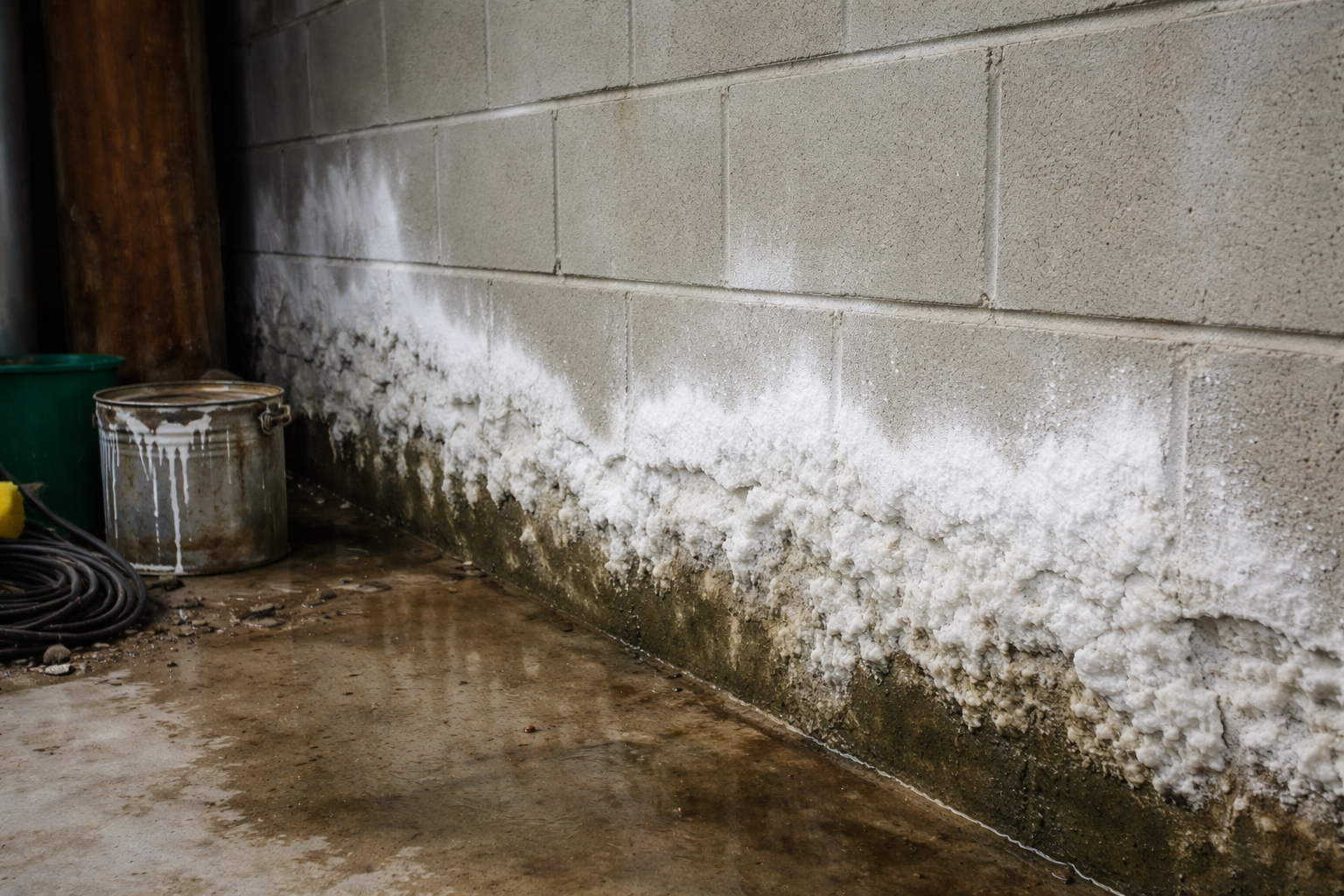
White powder on basement walls is a common issue in many New Jersey homes and is often a sign of efflorescence. While not mold, it indicates moisture problems that can lead to mold growth, water damage, and structural issues. In this blog, we explain what efflorescence is, why it happens, and how to prevent basement moisture problems before they become serious.
More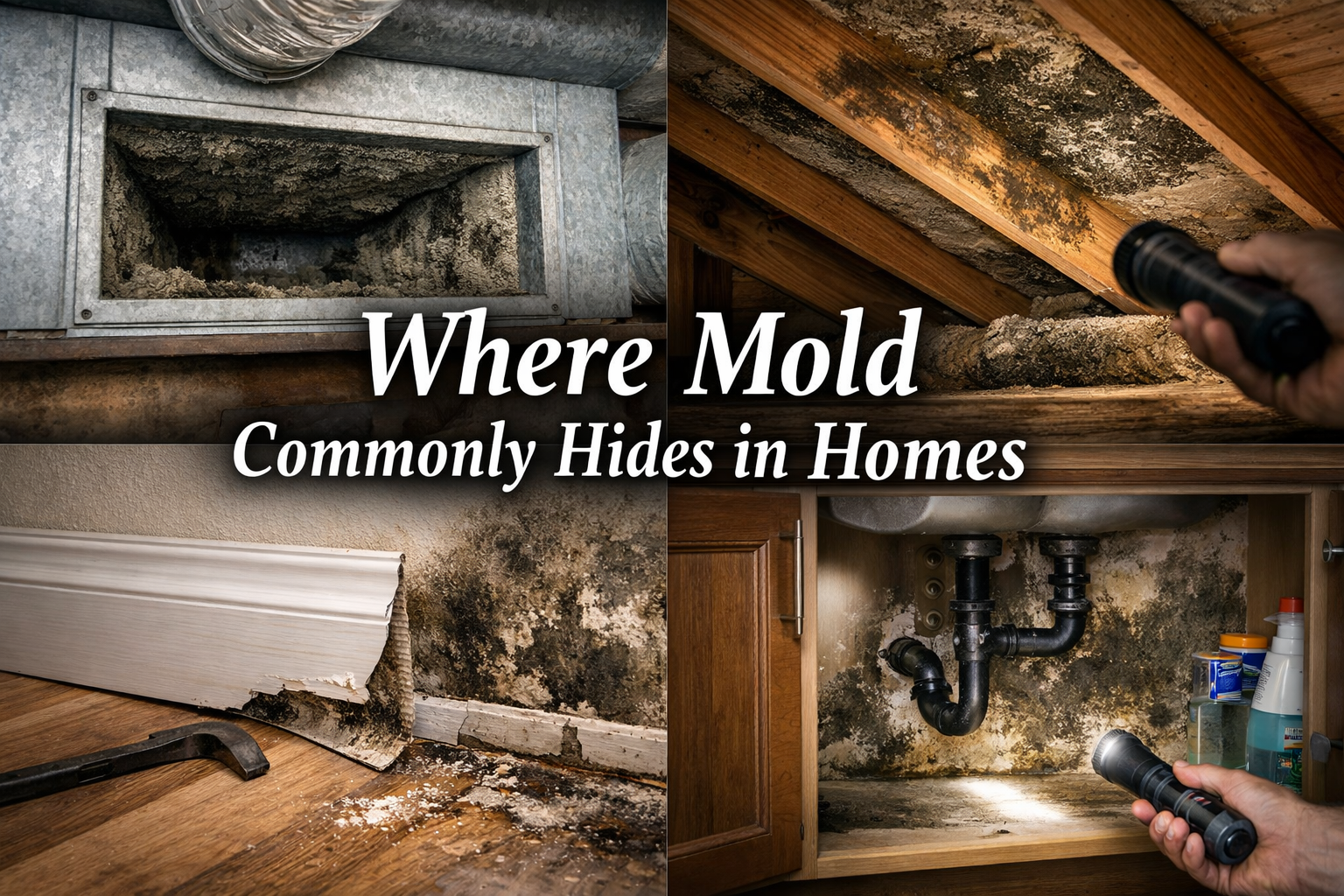
Mold in homes is not always easy to spot. In many cases, mold grows in hidden areas such as behind walls, under flooring, inside HVAC systems, and in damp basements. Because these spaces are rarely inspected, mold can spread unnoticed. In this blog, we explore the most common places mold hides in homes and explain why homeowners often miss the early warning signs.
More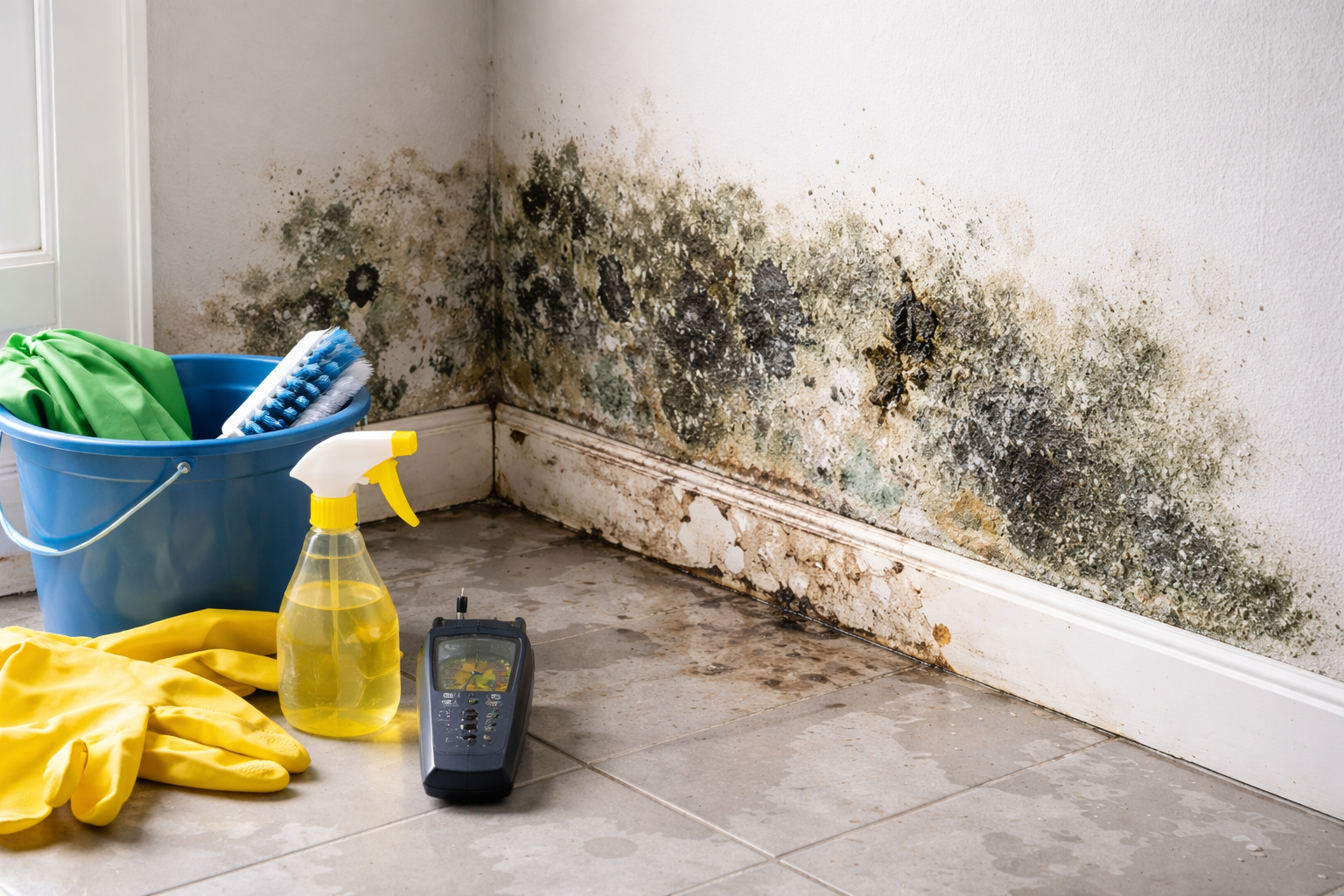
Mold returning after cleanup is a common problem for many homeowners. In most cases, mold comes back because the underlying moisture source was never fully resolved. In this blog, we explain why mold keeps returning, the most common causes of recurring mold growth, and practical steps homeowners can take to prevent mold problems and protect their indoor air quality.
More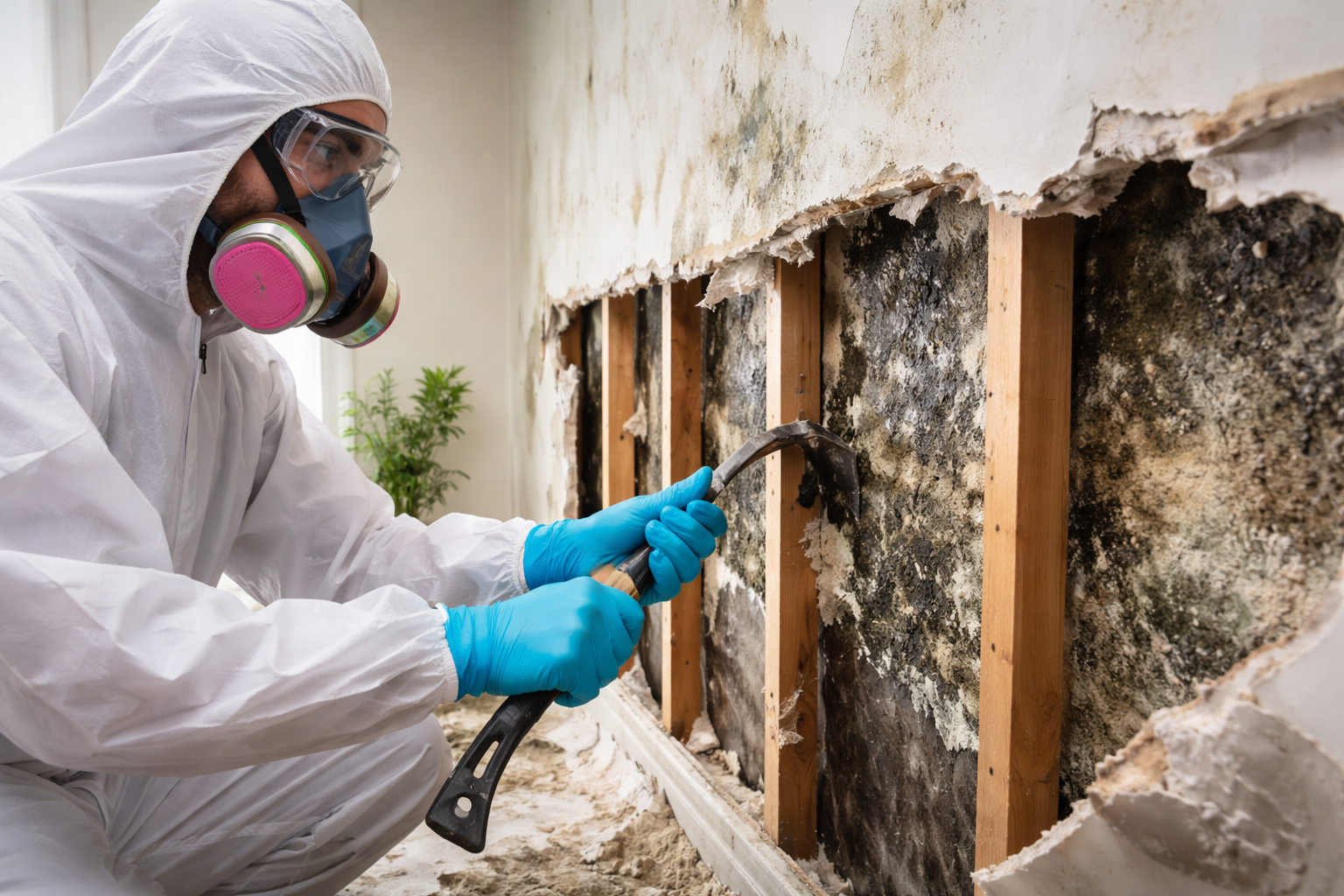
Untreated mold can spread quickly behind walls, under flooring, and into structural materials, leading to costly damage and poor indoor air quality. Learn what happens if mold is not professionally removed and why timely mold remediation in New Jersey is critical. M&N Restoration LLC provides expert mold inspection, mold removal, and moisture control services throughout North Jersey
More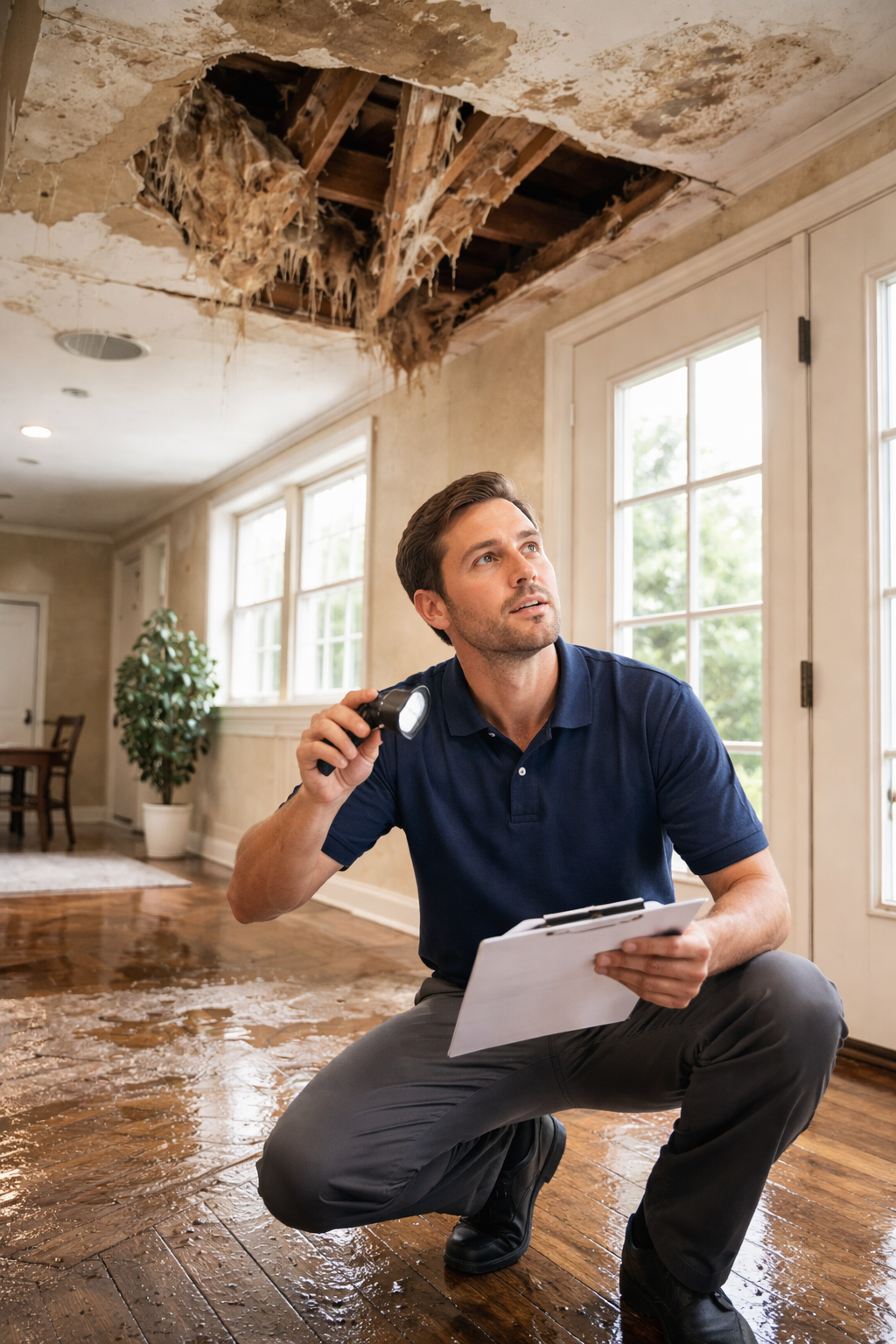
Learn what insurance adjusters look for during a water damage inspection in New Jersey. From moisture readings and structural damage to mold growth and documentation, understanding the inspection process can help support your water damage insurance claim. M&N Restoration LLC provides professional emergency water damage restoration and detailed reporting throughout North Jersey.
More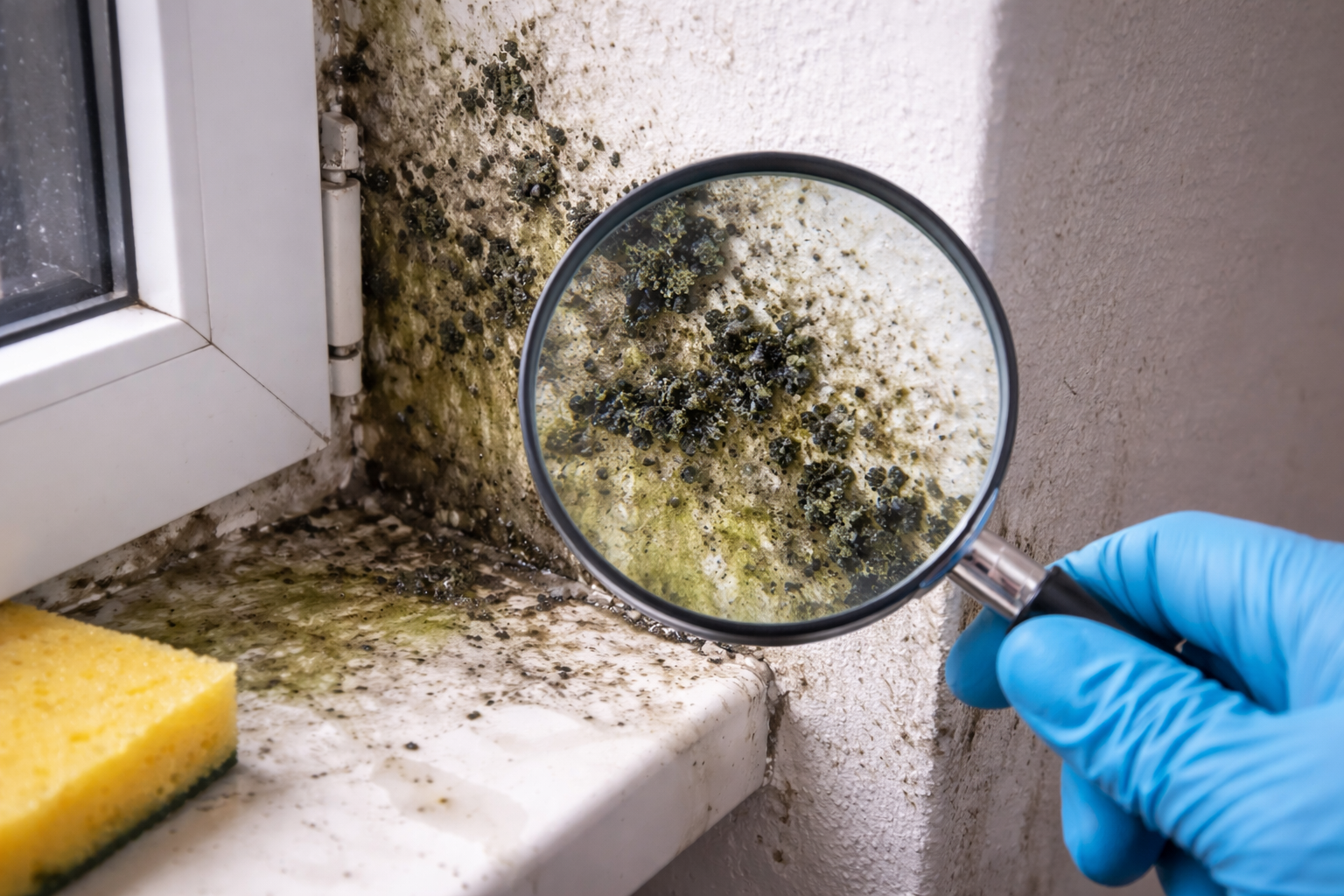
Dark spots on your walls or basement ceiling? It could be dirt — or it could be black mold. In this guide, New Jersey homeowners in Wayne, Fairfield, Ridgewood and surrounding areas will learn how to tell the difference, recognize warning signs after water damage, and know when to call for professional mold inspection and black mold removal in NJ.
More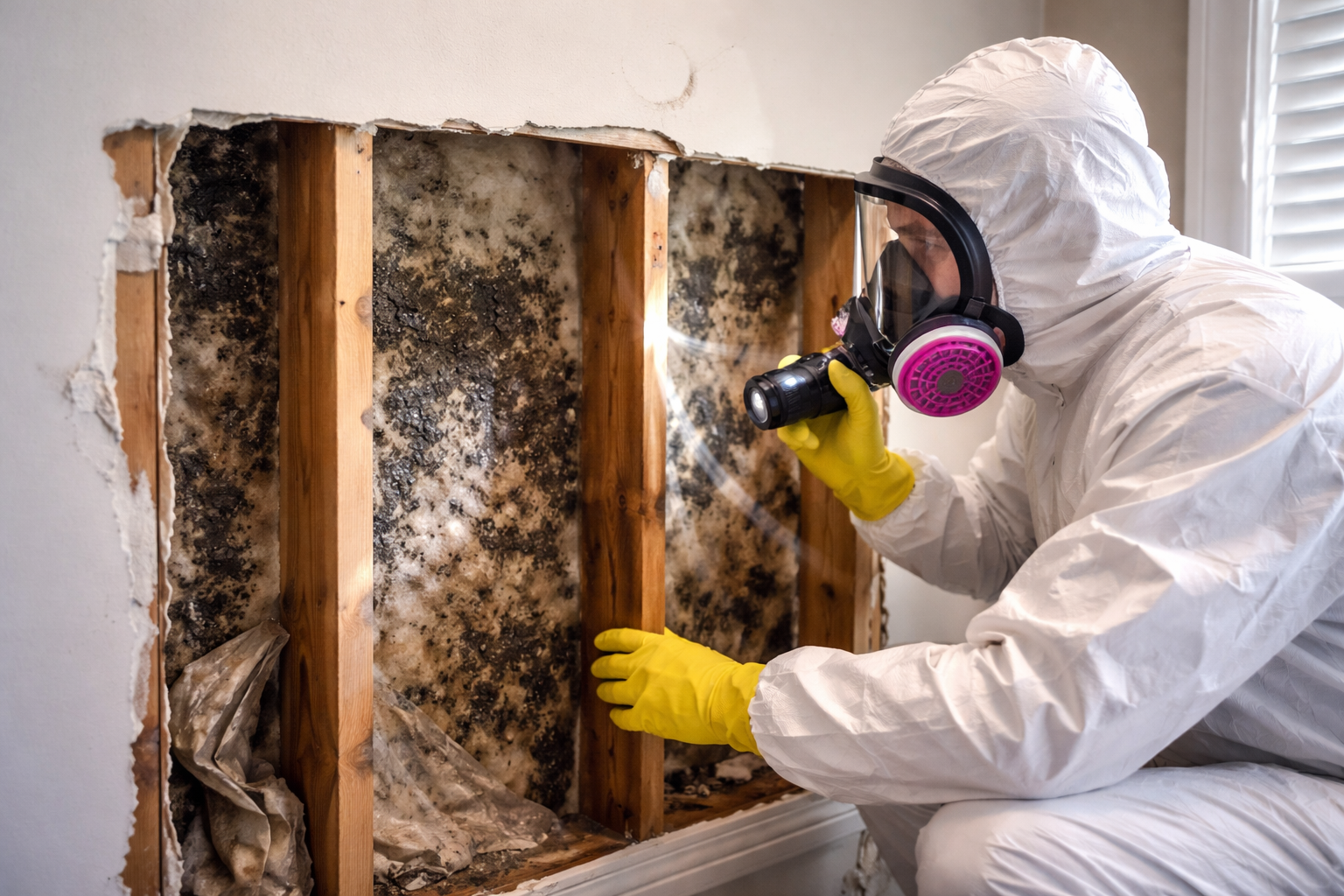
In mold and asbestos remediation, the term “exposed and accessible only” defines the scope of work that can be safely and legally performed. It refers to materials that are visible and reachable without opening walls, ceilings, or other finished surfaces. Understanding this helps homeowners set clear expectations and ensures remediation is completed safely, compliantly, and with proper documentation.
More
Finding mold during a home sale can be stressful, but it doesn’t have to stop the transaction. In New Jersey, mold is a common issue discovered during inspections, especially in basements and older homes. With proper evaluation, professional remediation, and clear documentation, buyers and sellers can address mold concerns and keep the sale moving forward smoothly.
More
Basement mold is a common problem in New Jersey homes due to moisture, humidity, and water intrusion. Learn how to spot the signs early, understand the causes, and discover the right steps to protect your basement and indoor air quality.
More
Mold remediation costs in New Jersey can vary depending on the size of the affected area, location of the mold, and the level of containment required. Homes in Bergen, Passaic, Morris, and Essex Counties often face mold issues due to moisture, basements, and older construction. Understanding local pricing factors can help homeowners make informed decisions and address mold problems early.
More
Hiring a restoration company is a big decision — especially when dealing with mold, asbestos, or property damage. In this post, we’ll cover the five most important questions to ask before hiring a contractor in New Jersey. Learn how to choose a licensed, experienced, and trustworthy restoration professional for your home or business.
More
Asbestos in 2026: Why It Still Poses a Hidden Risk in New Jersey Homes & What You Can Do About It
More
Professional water extraction is a critical first step after water damage. Using industrial-grade equipment, trained technicians remove standing water and hidden moisture from floors, walls, and structural materials. Fast, proper extraction helps prevent mold growth, protects your home’s structure, and reduces long-term repair costs.
More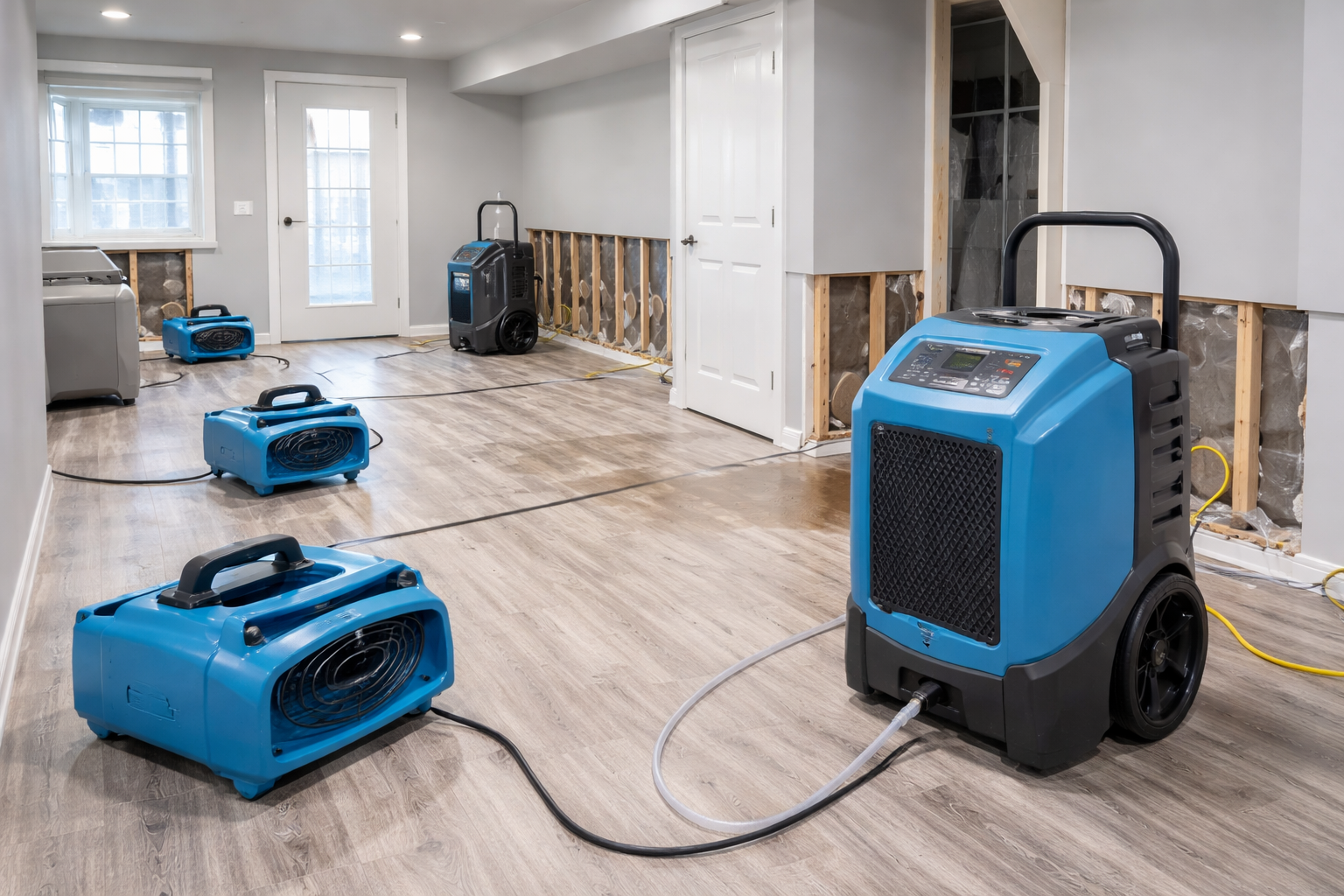
For New Jersey homeowners, staying in the home during water damage restoration depends on the extent of damage, water type, and impacted living areas. Some restoration projects allow occupants to remain on-site, while others may require temporary relocation to ensure safety and effective restoration.
More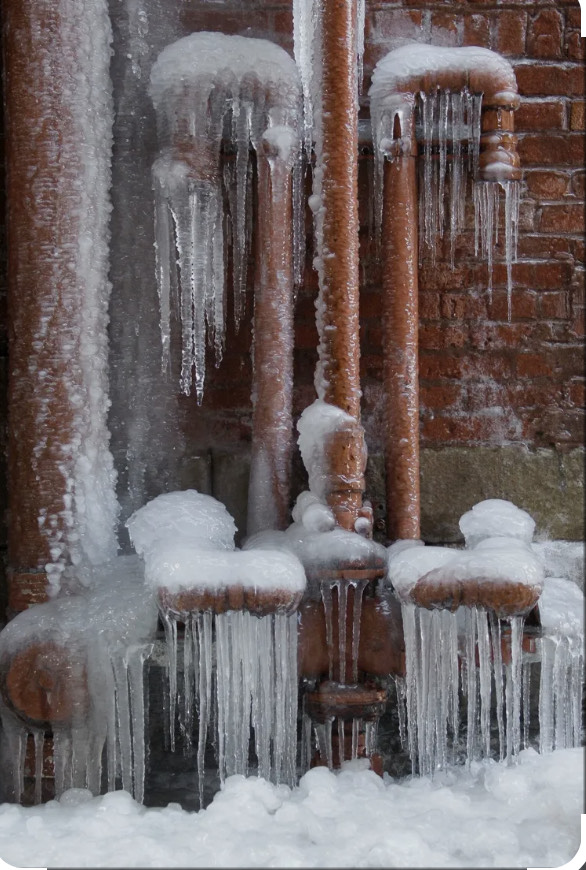
Winter temperatures in New Jersey can quickly turn minor plumbing issues into major home damage. When pipes freeze, they can crack or burst, causing flooding and costly water damage. Knowing how to winter-proof your pipes before freezing weather arrives helps protect your home and prevent emergencies. This guide explains why pipes freeze, which areas are most at risk, and the steps homeowners can take to avoid burst pipes this winter.
More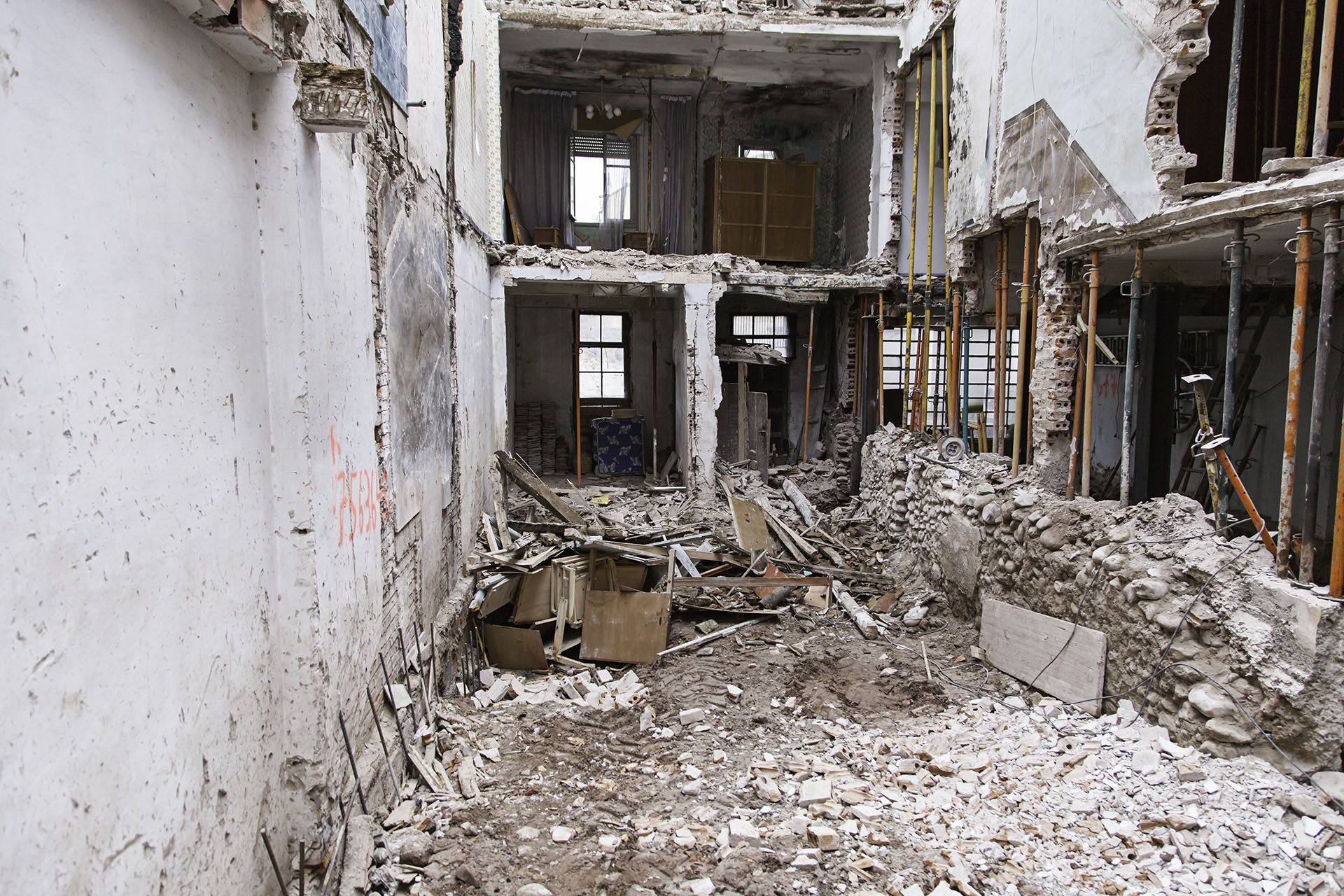
Asbestos became common in buildings thanks to its heat resistance, strength, and low cost, making it a popular choice for insulation, roofing, and cement products. Before health risks were known, it was seen as a “miracle material.” This overview explains why asbestos was widely used, how it spread through construction, and why awareness and professional management remain essential today.
More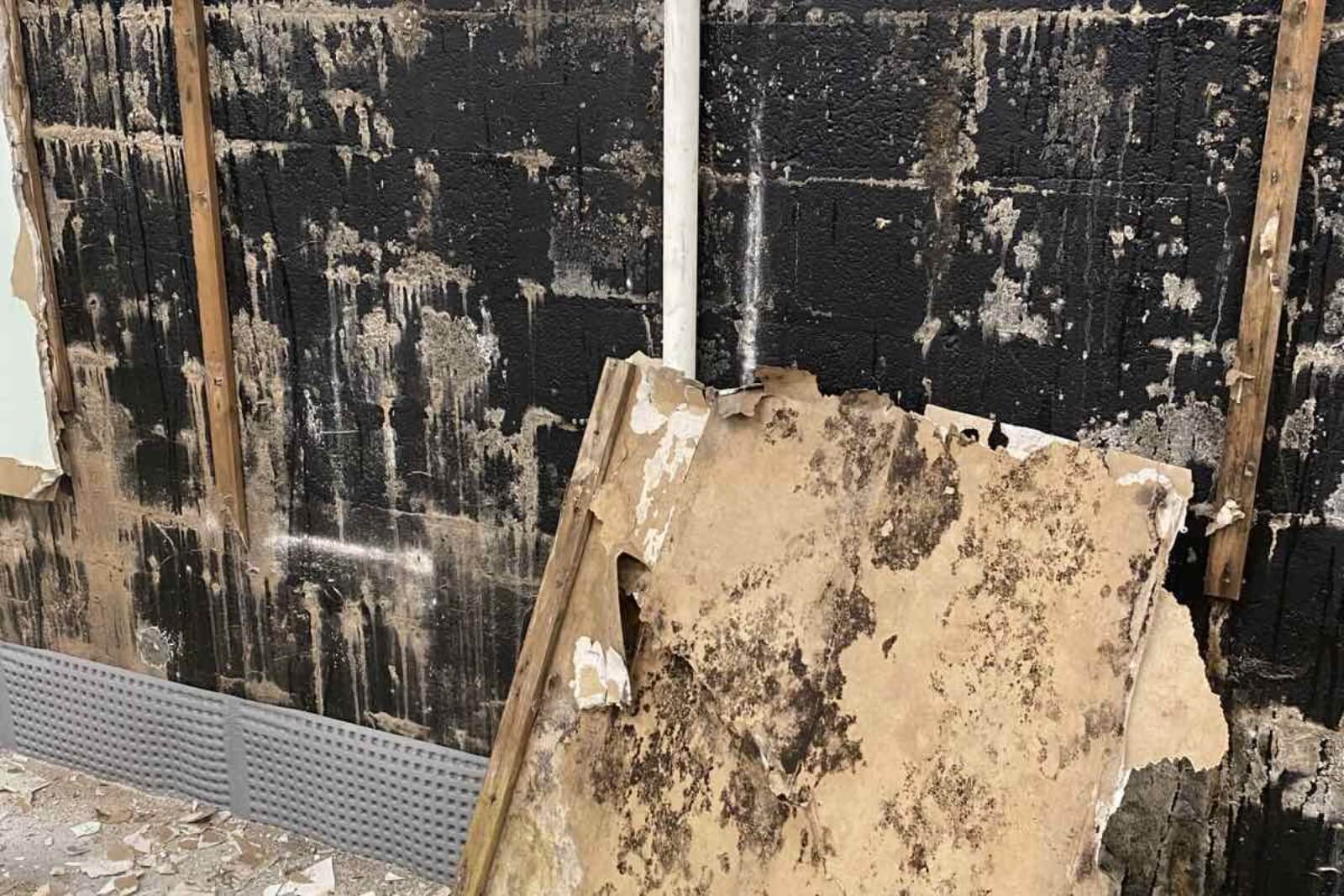
Bleach is commonly used for mold cleanup, yet it’s one of the least effective methods. Because it can’t penetrate porous materials and often worsens moisture problems, mold tends to grow back quickly. This overview clarifies why bleach fails as a mold treatment and guides you toward proven remediation techniques.
More
Mold can cause serious damage to your home and health — but does your homeowners insurance actually cover it? Discover when mold is covered, when it’s not, and how to protect your property from costly surprises.
More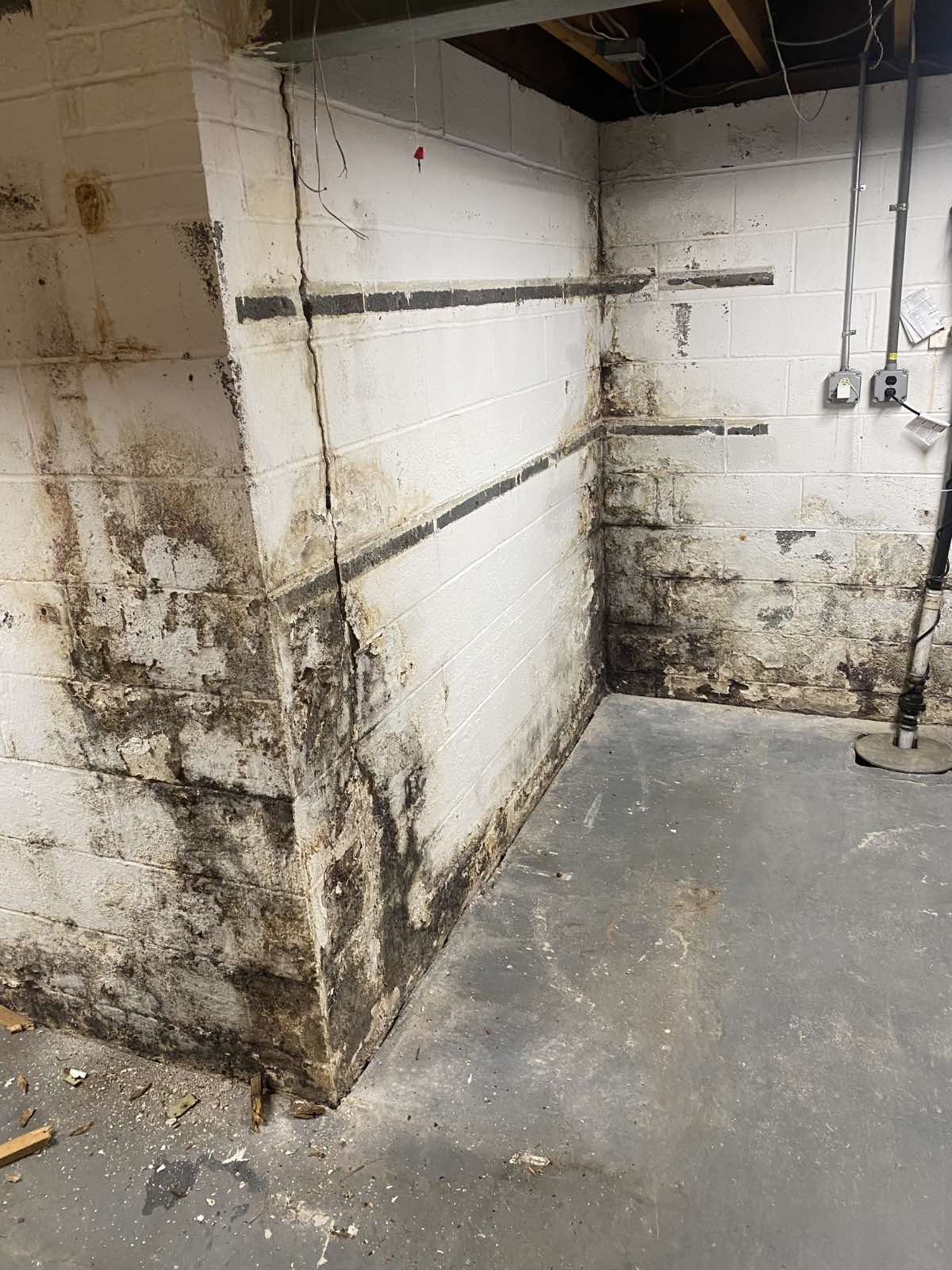
Hot, humid summers in New Jersey create the perfect breeding ground for hidden mold. What starts as a small moisture issue can quickly grow into a serious threat to your family’s health and your home’s structure. This guide covers the early warning signs, the rooms most at risk, health impacts, and proven prevention steps. With the right approach — and professional remediation when needed — you can stop mold before it spreads and keep your home safe, dry, and healthy.
More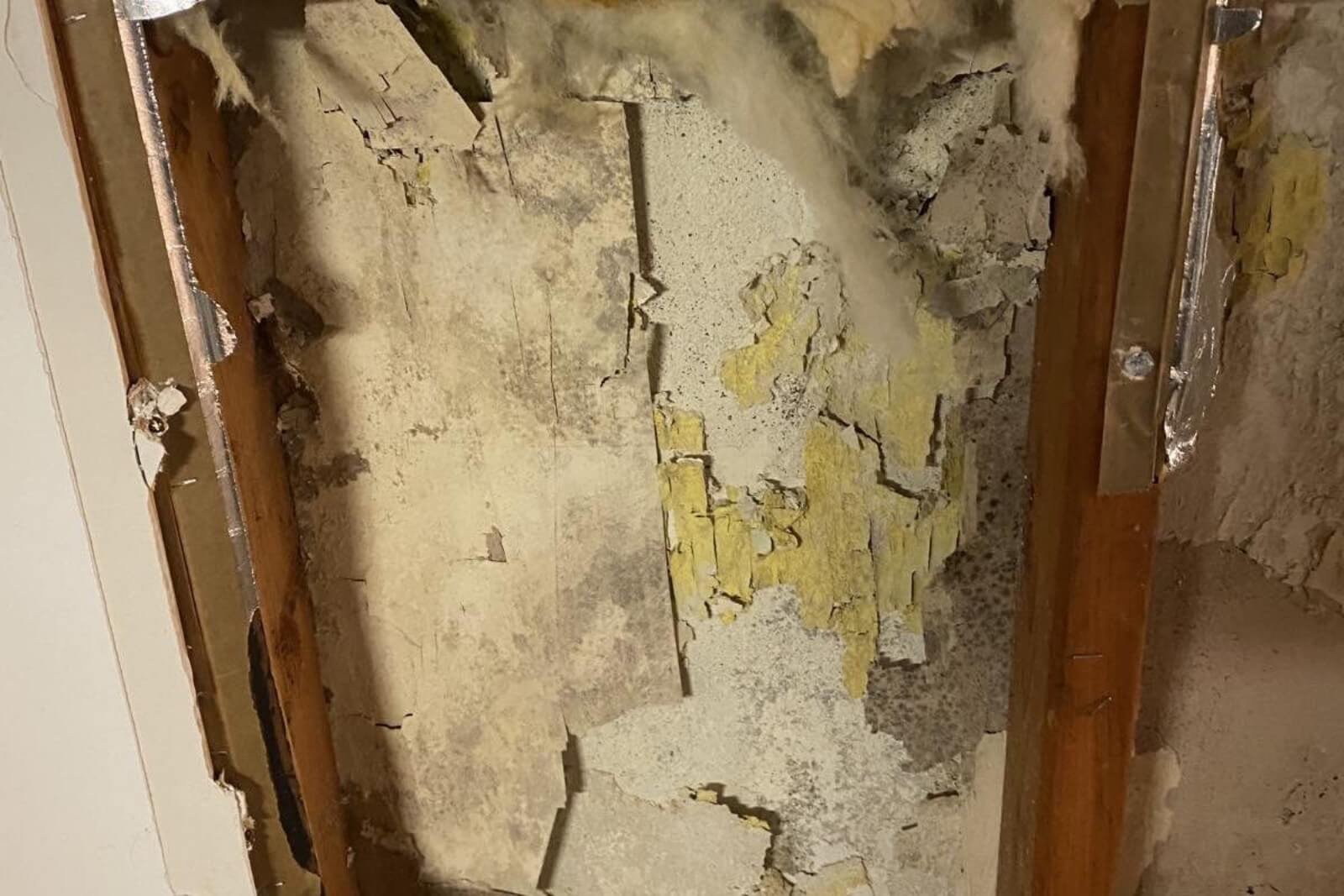
In this article, we uncover the less obvious, but more dangerous side of mold, and explain what every homeowner — especially in New Jersey’s humid climate — should know to stay safe.
More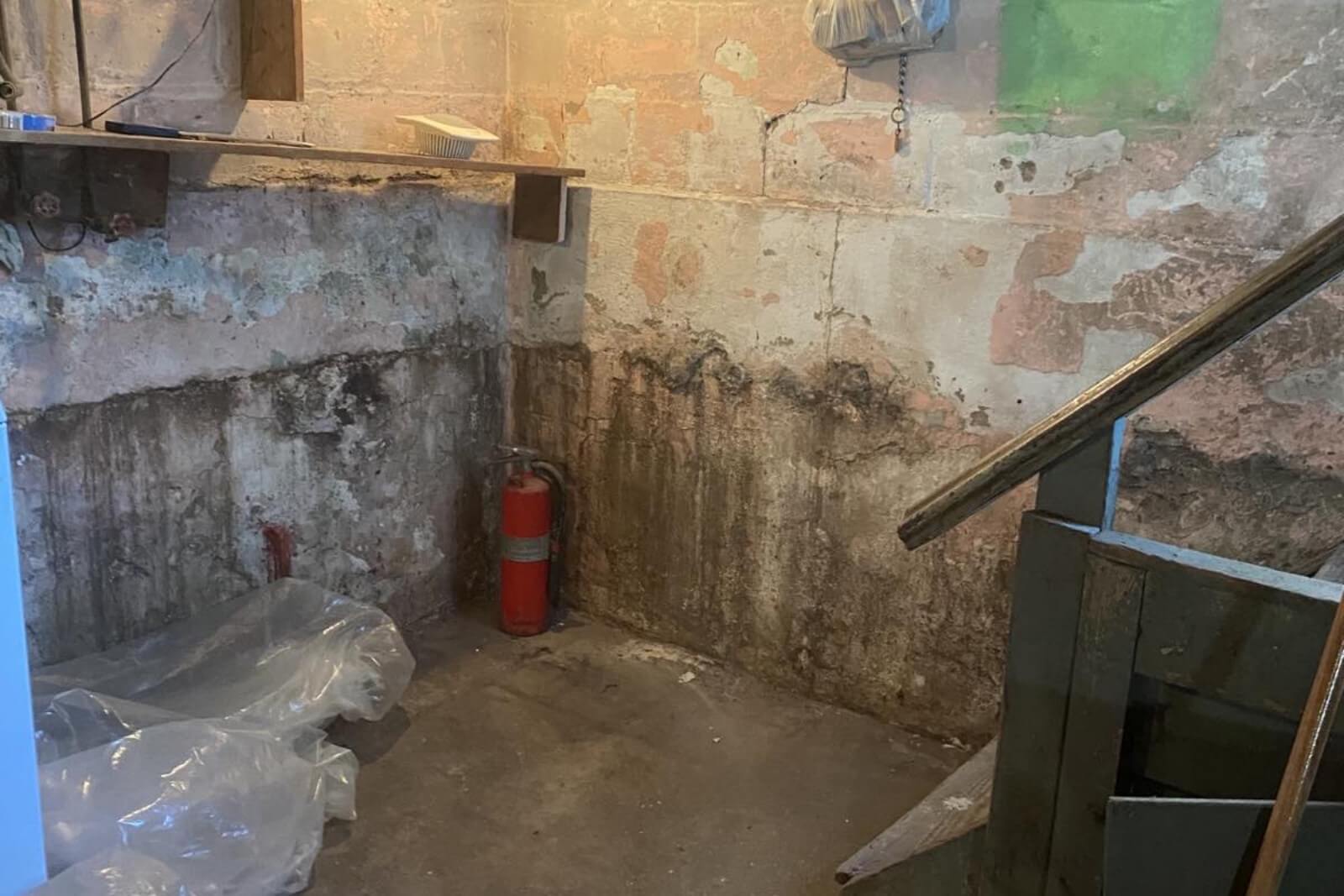
Discover how mold worsens seasonal allergies in New Jersey. Learn the signs, prevention tips, and when to call a mold remediation specialist.
More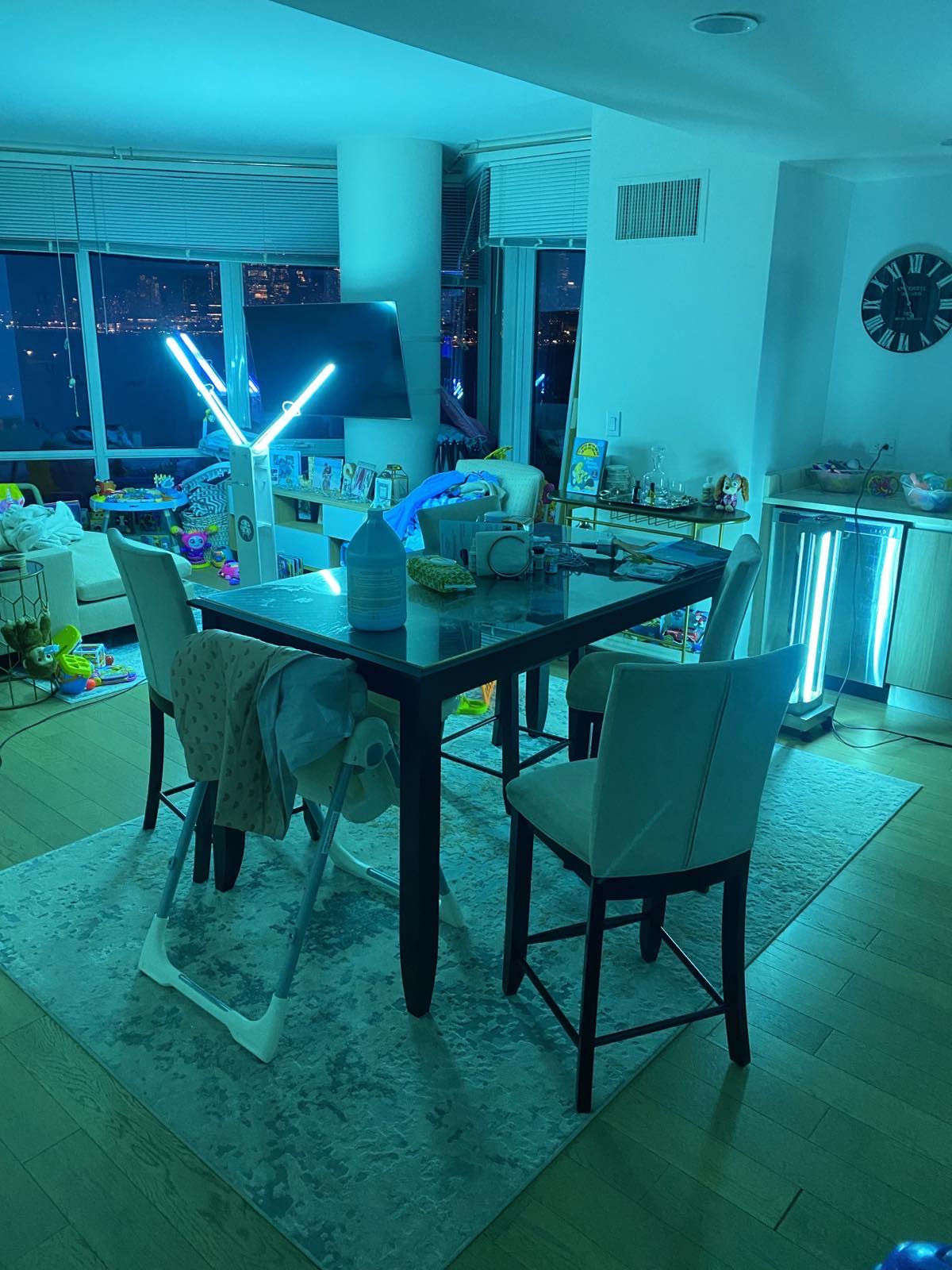
In a world where invisible threats like bacteria, viruses, and mold spores are everywhere, one solution has emerged as a silent but powerful protector: UV light disinfection.
More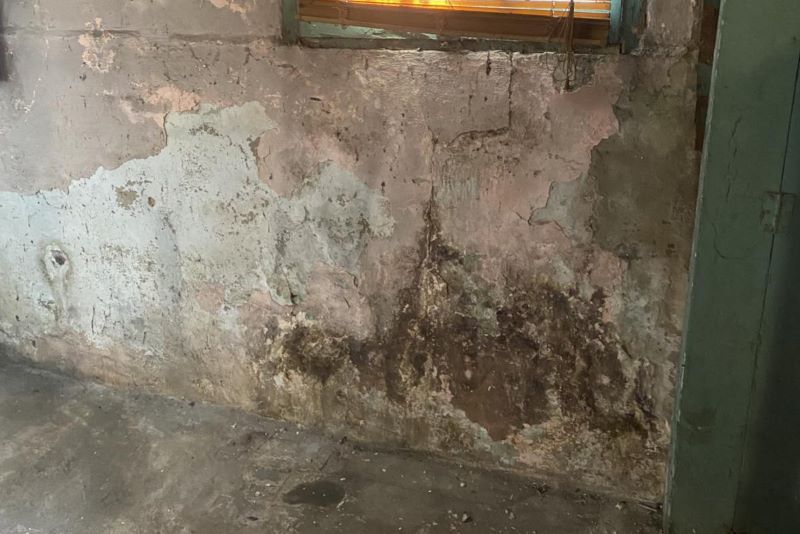
Discover the top 7 early signs of mold in your home and learn how to spot hidden mold before it becomes a serious health or structural issue. Trusted mold remediation experts in New Jersey.
More