Dec 04 2025 06:56h
The Big Mold Myth: Why Bleach Makes the Problem Worse
Why You Should Not Use Bleach to Clean Mold
When most people discover mold in their home, their first instinct is to grab a bottle of bleach. After all, bleach is known as a strong disinfectant — so it must kill mold, right?
Surprisingly, this is one of the most persistent myths in home maintenance.
Bleach is not an effective or safe solution for mold removal, and using it can actually make the problem worse.
Here’s why.
1. Bleach does not kill mold on porous surfaces
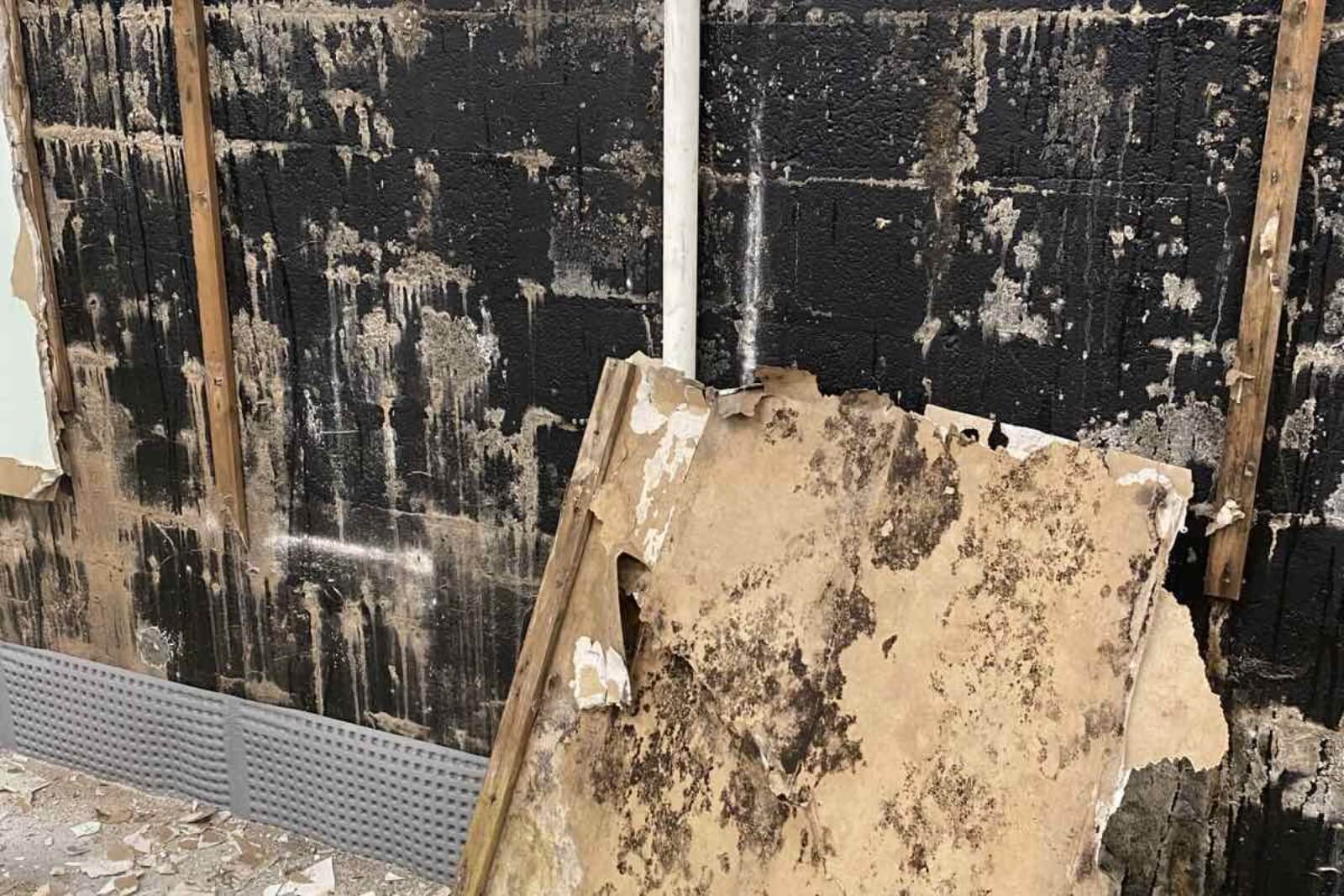
Mold doesn’t just grow on the surface — it grows into the material.
Surfaces like:
-
drywall
-
wood
-
fabric
-
insulation
-
concrete
-
grout
are all porous. Bleach cannot penetrate deeply enough to reach the mold roots (hyphae). What ends up happening?
✔ Bleach kills the surface-level discoloration
✘ Mold roots stay alive and continue to grow beneath
Within days or weeks, the mold returns — sometimes worse than before.
2. Bleach is mostly water, and water feeds mold
Most household bleach is about 90–95% water. When applied to porous materials, the water soaks into the surface, while the disinfecting agent (sodium hypochlorite) stays on top.
This means:
-
the water reaches the mold roots
-
the chemical does not
-
moisture encourages deeper mold growth
So you may think the mold is gone because the stain fades… but behind the scenes, the moisture is helping it spread.
3. Bleach can damage the materials you’re trying to clean
Bleach is harsh and corrosive. It can:
-
weaken drywall
-
deteriorate wood fibers
-
ruin finishes
-
cause discoloration
-
corrode metal fixtures
Over time, this can create more structural problems, which may become more expensive to repair.
4. Bleach fumes are hazardous
Bleach releases strong fumes that can irritate:
-
eyes
-
throat
-
nose
-
lungs
This is especially risky for:
-
children
-
pets
-
people with asthma or respiratory conditions
Bleach also reacts with other household cleaners (especially ammonia-based products) and can produce dangerous toxic gases.
5. Bleach can give a false sense of “clean”
Bleach is a fantastic whitener — but whitening is not the same as disinfecting.
Many people believe:
“If the stain is gone, the mold is gone.”
Unfortunately, mold stains can disappear while the underlying mold colony continues to grow invisibly.
This gives homeowners a false sense of security, delaying proper treatment until the problem becomes larger and more costly.
6. Professional guidelines do not recommend bleach for mold
Modern mold remediation guidelines from restoration specialists focus on:
-
removing mold from porous materials
-
improving moisture control
-
using EPA-registered products specifically designed for mold remediation
Bleach is generally not recommended because it fails to address the root cause: moisture and mold growth inside the material.
7. It doesn’t solve the real problem: moisture
Mold is ultimately a moisture problem, not just a surface problem.
Even if bleach lightens the mold, it does nothing to fix:
-
leaks
-
condensation
-
humidity
-
structural moisture
Bleach treats a symptom, not the cause — which means the mold will come back.
So what should you do instead?
Instead of bleach, homeowners should focus on:
-
controlling moisture sources
-
using appropriate cleaning methods for non-porous surfaces
-
removing and replacing contaminated porous materials when needed
-
using mold-specific cleaning solutions (EPA-approved)
-
consulting professionals for significant or hidden mold growth
Final Thoughts
Bleach may be a powerful cleaner, but it is not a mold solution.
It can mask the problem without fixing it, damage your home, and even expose your family to unnecessary chemicals.
If you truly want to eliminate mold — safely and effectively — choose methods designed for mold remediation, not surface whitening.