Dec 15 2025 07:11h
How to Winter-Proof Your Pipes and Avoid Costly Burst Pipes in New Jersey
How to Winter-Proof Your Pipes and Avoid Costly Burst Pipes in New Jersey
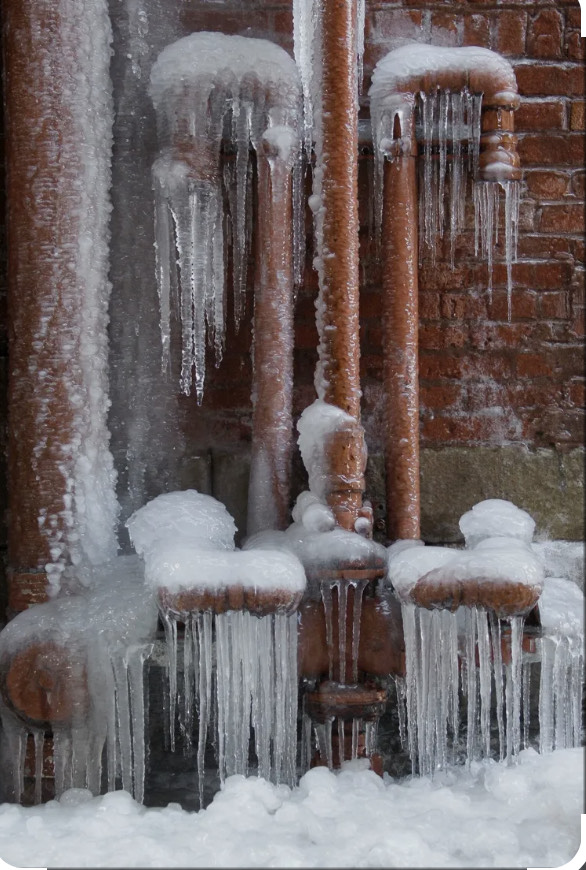
Winter in New Jersey brings freezing temperatures, snowstorms, and one of the most common — and expensive — home disasters: burst pipes. When water freezes inside pipes, it expands, causing pipes to crack or burst, often leading to severe water damage.
The good news? Most frozen and burst pipes are completely preventable. In this guide, we’ll show you how to winter-proof your pipes, protect your home, and avoid costly water damage repairs.
Why Do Pipes Burst in Cold Weather?
When temperatures drop below freezing, any water sitting inside your plumbing can freeze. As it freezes, water expands and puts pressure on the pipe walls. Eventually, the pipe can crack or burst, releasing gallons of water into your home once the ice thaws.
Pipes most at risk include:
-
Exposed pipes in basements, crawl spaces, garages, and attics
-
Pipes located along exterior walls
-
Outdoor hose bibs and sprinkler lines
-
Pipes in vacant or rarely used areas of the home
Signs Your Pipes May Be Freezing
Catching frozen pipes early can prevent a major disaster. Watch for these warning signs:
-
Little or no water coming from faucets
-
Frost on exposed pipes
-
Unusual odors from drains
-
Banging or whistling sounds when turning on water
If you notice any of these signs, act immediately to prevent bursting.
10 Proven Ways to Winter-Proof Your Pipes
1. Insulate Exposed Pipes
Pipe insulation is one of the most effective and affordable ways to prevent freezing. Foam pipe sleeves or heat tape help maintain safe temperatures, especially in unheated areas.
Pro Tip: Pay close attention to pipes in basements, crawl spaces, and garages.
2. Seal Air Leaks Around Pipes
Cold air entering your home can quickly freeze nearby plumbing. Seal gaps around pipes using:
-
Caulk
-
Expanding foam insulation
-
Weather stripping
Check areas where pipes enter exterior walls.
3. Keep Your Home Warm — Even When You’re Away
Never lower your thermostat below 55°F, even when traveling. A few dollars saved on heating can turn into thousands in water damage repairs.
4. Let Faucets Drip During Extreme Cold
Allowing a small, steady drip keeps water moving and relieves pressure in the pipes, significantly reducing the chance of freezing.
5. Disconnect Outdoor Hoses
Outdoor hoses trap water and can freeze quickly, causing damage that extends into your home’s plumbing. Disconnect hoses and shut off outdoor water supply valves before winter hits.
6. Drain Sprinkler and Irrigation Systems
If you have a sprinkler system, make sure it’s fully drained and winterized before freezing temperatures arrive.
7. Open Cabinet Doors
During cold spells, open cabinet doors under sinks to allow warm air to circulate around plumbing, especially in kitchens and bathrooms along exterior walls.
8. Insulate Your Garage
If your garage contains plumbing, keep the door closed and consider adding insulation to reduce cold exposure.
9. Know Where Your Main Water Shut-Off Valve Is
In case a pipe bursts, shutting off your home’s water supply immediately can limit damage. Make sure everyone in your household knows its location.
10. Schedule a Professional Plumbing or Home Inspection
A professional inspection can identify vulnerable pipes before winter causes damage. Early prevention is far less expensive than emergency restoration.
What to Do If a Pipe Freezes or Bursts
If you suspect frozen pipes:
-
Turn off the water supply immediately
-
Apply gentle heat using a hair dryer or heating pad (never use an open flame)
-
Call a professional if you’re unsure or see visible damage
If a pipe bursts, act fast — water damage spreads quickly and can lead to mold growth within 24–48 hours.
How MN Restoration New Jersey Can Help
At MN Restoration New Jersey, we specialize in emergency water damage restoration, burst pipe cleanup, and mold prevention. Our team responds quickly to minimize damage and restore your home safely and efficiently.
✔ 24/7 Emergency Response
✔ Advanced water extraction and drying equipment
✔ Mold prevention and remediation
✔ Trusted local experts serving New Jersey homeowners
Protect Your Home Before Winter Strikes
Winter pipe damage is stressful, expensive, and disruptive — but it doesn’t have to happen. Taking proactive steps now can save you time, money, and headaches later.
📞 If you’re dealing with frozen or burst pipes, contact MN Restoration New Jersey today for fast, professional help.