Dec 29 2025 15:54h
How Professional Water Extraction Works (And Why It’s Important)
How Professional Water Extraction Works (And Why It’s Important)
Water damage can happen without warning — from burst pipes, appliance leaks, heavy rain, or HVAC issues. When water enters your home, fast and professional water extraction is essential to prevent mold growth, structural damage, and costly repairs.
For homeowners in New Jersey, where humidity and seasonal weather can worsen moisture problems, professional water extraction plays a critical role in protecting your home.
What Is Professional Water Extraction?
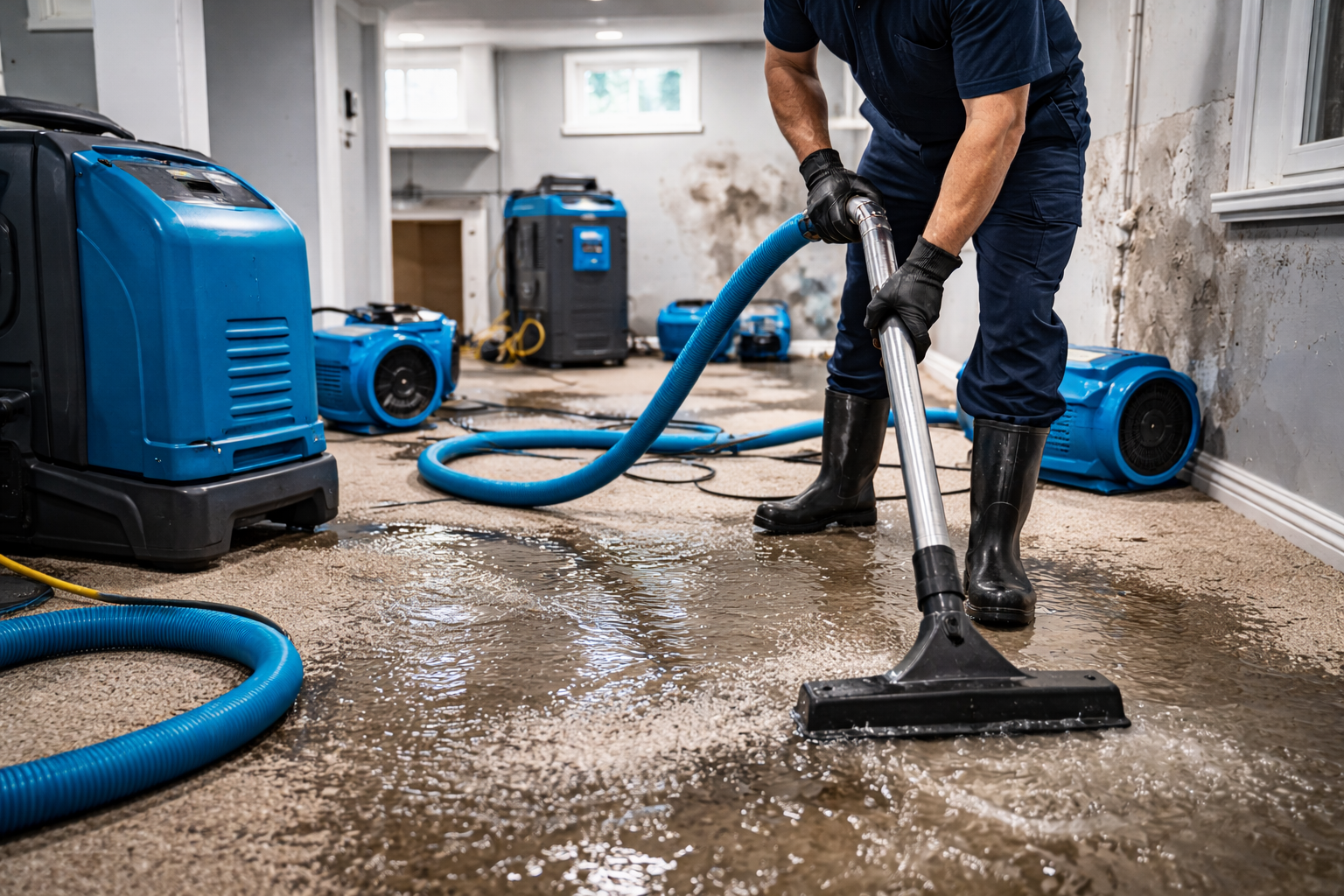
Professional water extraction is the process of removing standing water and excess moisture from a property using specialized equipment and industry-approved drying techniques. Unlike basic cleanup, professional extraction targets both visible water and hidden moisture trapped inside walls, flooring, and structural materials.
Primary SEO keywords used:
professional water extraction NJ, water extraction services New Jersey, water damage restoration NJ
How Professional Water Extraction Works (Step by Step)
1. Inspection & Moisture Detection
Certified technicians begin with a detailed inspection using moisture meters and thermal imaging to locate hidden water. This allows them to:
-
Identify affected materials
-
Determine drying strategies
-
Prevent moisture from spreading
2. High-Powered Water Removal
Professionals use industrial-grade extraction equipment to remove standing water quickly and efficiently, including:
-
Truck-mounted extractors
-
High-capacity pumps
-
Carpet and padding extraction tools
This removes far more water than household equipment, reducing overall drying time.
3. Structural Drying & Dehumidification
After extraction, technicians deploy commercial air movers and dehumidifiers to dry:
-
Walls and drywall
-
Floors and subfloors
-
Insulation and framing
This step is essential to prevent mold growth, which can begin within 24–48 hours after water damage.
4. Ongoing Monitoring & Adjustments
Moisture levels are monitored daily, and equipment is adjusted as needed to ensure complete and even drying. This prevents trapped moisture that could cause future issues.
5. Final Moisture Verification
Before completion, technicians confirm that all affected areas have returned to safe moisture levels, ensuring your home is properly dried and protected.
Why Professional Water Extraction Is So Important
✔ Prevents Mold Growth
Fast extraction and drying drastically reduce the risk of mold developing after water damage.
✔ Protects Structural Integrity
Water weakens drywall, wood, and flooring. Proper extraction helps preserve your home’s structure.
✔ Saves Time & Money
Incomplete drying often leads to mold remediation, odors, and material replacement. Professional extraction prevents repeat damage.
✔ Supports Insurance Claims
Professional documentation — including moisture readings and drying reports — can help support water damage insurance claims.
Why DIY Water Removal Isn’t Enough
Household fans and shop vacuums cannot remove moisture from:
-
Behind walls
-
Under flooring
-
Inside insulation
Even if surfaces appear dry, hidden moisture can remain and cause damage later.
When Should You Call a Professional?
You should consider professional water extraction if:
-
There is standing water in your home
-
Water has soaked carpets, walls, or ceilings
-
Moisture spread beyond one area
-
You want to prevent mold growth
Professional Water Extraction in New Jersey
At MN Restoration New Jersey, we provide professional water extraction and drying services for homeowners across Wayne, Clifton, Totowa, Passaic, Hackensack, and surrounding NJ areas. Our experienced team uses advanced equipment and proven methods to restore your home safely and efficiently.
❓ Frequently Asked Questions
How long does professional water extraction take?
Water extraction usually begins immediately and can take several hours. Drying may take 3–5 days, depending on moisture levels and materials affected.
Can water extraction prevent mold?
Yes. Quick and thorough water extraction significantly reduces the risk of mold growth by removing excess moisture before mold can develop.
Is professional water extraction worth it?
Absolutely. Professional extraction prevents long-term damage, reduces repair costs, and ensures your home is properly dried.
Does water extraction include drying?
Yes. Professional water extraction includes both water removal and controlled drying using air movers and dehumidifiers.
When should I call for water extraction?
Immediately. The sooner water is removed, the less damage it can cause.