Dec 22 2025 08:37h
Can I Stay in My Home During Water Damage Restoration in New Jersey?
Can I Stay in My Home During Water Damage Restoration in New Jersey?
Water damage is stressful, and one of the first questions homeowners ask is: “Can I stay in my home during water damage restoration?”
The answer depends on several factors, including the severity of the damage, the type of water involved, and which areas of the home are affected.
Below, we explain when it may be safe to remain in your home — and when temporary relocation may be the better option.
Factors That Determine If You Can Stay in Your Home
Every water damage situation is different. Restoration professionals evaluate the following before making recommendations:
1. Extent of the Water Damage
Minor residential water damage restoration projects affecting one area may allow homeowners to stay. However, widespread water damage cleanup in NJ homes can make remaining in the house impractical.
2. Type of Water Involved
Understanding the types of water damage is critical:
-
Clean water (from supply lines or faucets) may allow occupants to remain in the home if properly contained.
-
Gray water (from appliances or drains) may require more caution.
-
Black water (sewage or floodwater) typically requires occupants to vacate affected areas due to health risks.
3. Affected Areas of the Home
If water damage impacts essential areas such as:
-
Kitchens
-
Bathrooms
-
Bedrooms
-
Electrical systems
staying in the home may not be practical during restoration.
4. Equipment and Noise Levels
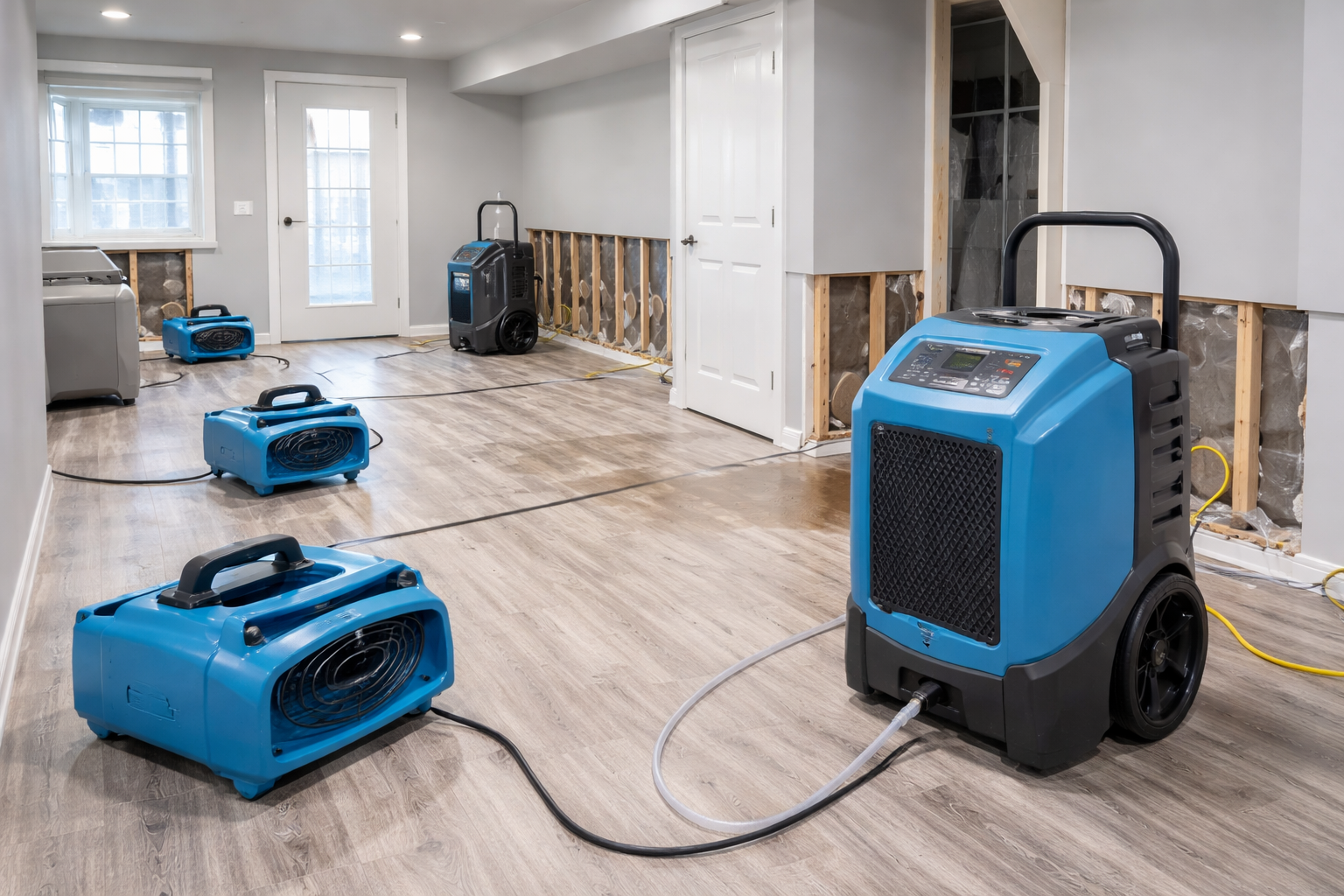
Water damage restoration involves industrial equipment such as:
-
Air movers
-
Dehumidifiers
-
Drying systems
These machines can be loud and run continuously for several days, which may be disruptive for daily activities, sleep, or remote work.
5. Health and Safety Considerations
Moisture issues increase the risk of mold growth, making professional water damage restoration and proper moisture control essential.
Link to:
👉 https://www.mnrestorationnewjersey.com/mold-remediation/
When Temporary Relocation Is Recommended
You may be advised to temporarily leave your home if:
-
Large areas are under active restoration
-
There is potential mold growth
-
Structural materials are being removed
-
Utilities must be shut off for safety reasons
In many cases, water damage restoration in New Jersey may involve coordination with insurance providers regarding temporary housing.
Professional Assessment Is Key
A professional water damage inspection helps determine:
-
Whether it’s safe to remain in the home
-
Which areas should be avoided
-
How long restoration is expected to take
A professional inspection helps determine whether it is safe to stay in your home during the water damage restoration process and identifies the best next steps for your NJ property.
Link to:
👉 https://www.mnrestorationnewjersey.com/mold-remediation/
Final Thoughts
So, can you stay in your home during water damage restoration?
Sometimes yes — sometimes no. It depends on the specific circumstances of the damage, safety concerns, and the restoration process required.
If you experience water damage in your New Jersey home, a professional inspection can help you understand your options and next steps.