Mar 09 2026 06:49h
Why Mold Often Comes Back in Homes (And How to Prevent It)
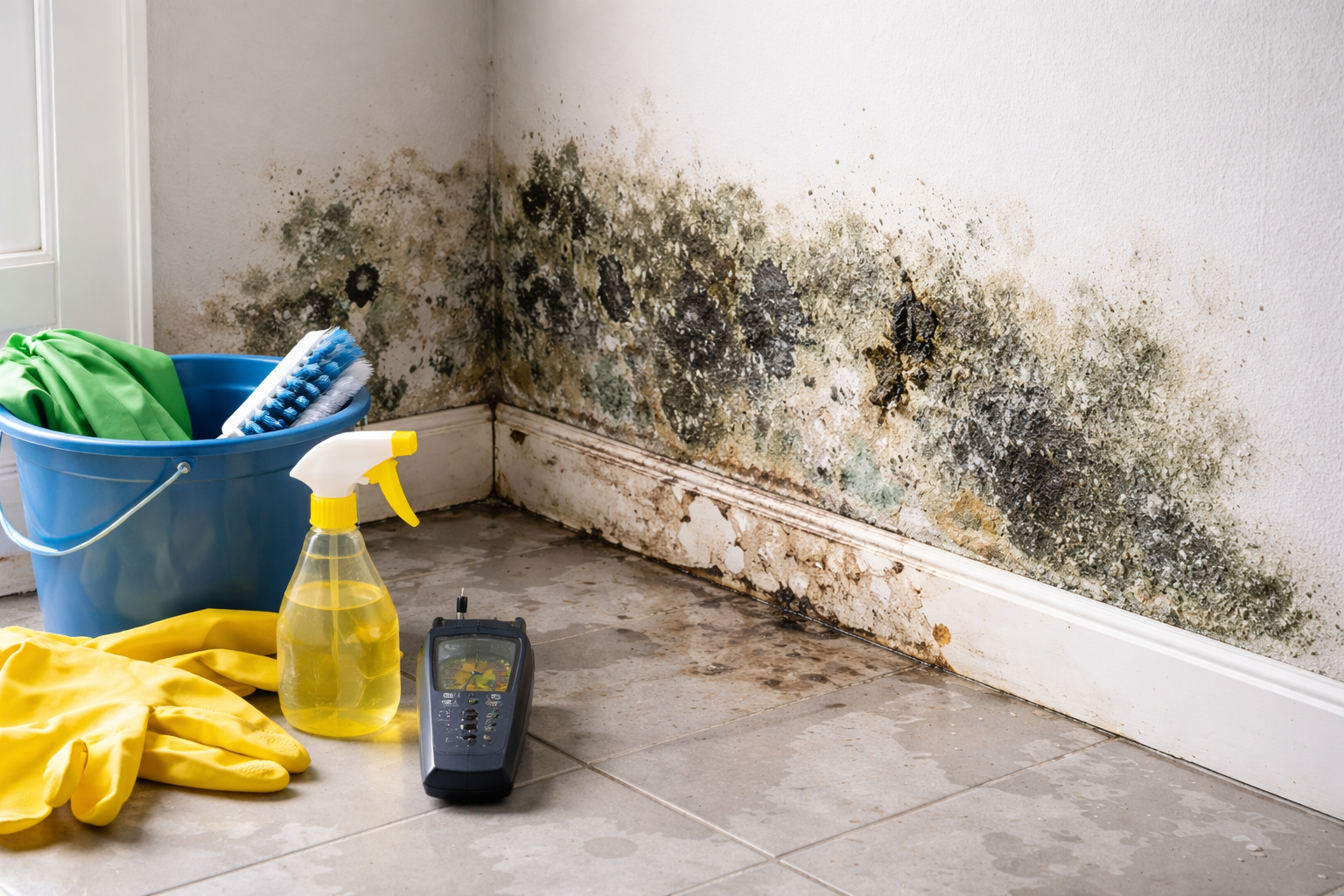
Many homeowners believe that once mold is removed, the problem is solved permanently. Unfortunately, that is not always the case. Mold can return if the underlying moisture problem is not properly identified and corrected.
Mold spores exist naturally in the air, and when they encounter moisture, they can quickly grow again. Understanding why mold keeps coming back can help homeowners prevent recurring mold issues and protect their indoor air quality.
For many homes in New Jersey, basements, bathrooms, crawl spaces, and areas affected by water damage are especially vulnerable to mold growth.
Why Mold Keeps Coming Back After Removal
One of the most common reasons mold returns is because the source of moisture was never fully resolved. Mold remediation removes contamination, but if humidity, leaks, or water damage remain, mold spores can grow again.
Common causes of recurring mold include:
-
Plumbing leaks or roof leaks
-
High indoor humidity levels
-
Poor ventilation
-
Flooding or water damage
-
Hidden moisture behind walls or floors
-
Improper mold removal
Without addressing these factors, mold can reappear even after cleaning or remediation.
Hidden Moisture Problems in Homes
Many mold problems begin in places that homeowners cannot easily see. Hidden moisture behind walls, ceilings, or flooring can create ideal conditions for mold growth.
Common signs of hidden moisture include:
-
Musty odors
-
Water stains on ceilings or walls
-
Peeling paint or bubbling drywall
-
Warped flooring
-
Condensation around windows or pipes
Professional mold inspections and moisture detection equipment can help identify hidden water sources before mold spreads further.
Improper Mold Removal Methods
Another reason mold often returns is improper cleanup. Many homeowners attempt DIY mold removal using household cleaners, which may remove surface stains but do not address the underlying contamination.
Improper removal can spread mold spores throughout the home. Professional mold remediation companies use containment systems, HEPA filtration, and proper removal techniques to prevent cross-contamination and recurring mold growth.
High Indoor Humidity and Poor Ventilation
Mold thrives in environments with excessive moisture in the air. Indoor humidity levels above 60% significantly increase the risk of mold growth.
Areas most affected by humidity include:
-
Basements
-
Bathrooms
-
Laundry rooms
-
Kitchens
-
Crawl spaces
Using dehumidifiers, ventilation fans, and proper air circulation can reduce humidity and prevent mold problems.
Water Damage That Was Not Fully Dried
After flooding, pipe leaks, or storm damage, building materials can retain moisture even when they appear dry. Drywall, insulation, carpeting, and wood framing can hold moisture for extended periods.
If materials are not properly dried within 24–48 hours, mold growth can begin.
Professional water damage restoration and structural drying are essential to prevent mold from returning.
How to Prevent Mold From Coming Back
Preventing mold is primarily about controlling moisture and maintaining healthy indoor conditions.
Helpful prevention steps include:
-
Repair plumbing or roof leaks quickly
-
Maintain indoor humidity below 60%
-
Use dehumidifiers in basements and damp areas
-
Ensure proper ventilation in bathrooms and kitchens
-
Dry water-damaged materials promptly
-
Schedule professional mold inspections if problems persist
By controlling moisture sources, homeowners can greatly reduce the risk of recurring mold growth.
When to Call a Professional Mold Remediation Company
If mold continues to return or spreads throughout multiple areas of the home, professional assistance may be necessary. Mold remediation professionals can identify hidden moisture sources, contain contaminated areas, and safely remove mold.
At M&N Restoration LLC, we provide professional mold inspection, mold remediation, moisture detection, and water damage restoration services throughout New Jersey. Our goal is to eliminate mold while addressing the underlying conditions that cause it to return.
Frequently Asked Questions
Why does mold keep coming back after cleaning?
Mold often returns because the underlying moisture source was not fixed. High humidity, hidden leaks, or water damage can allow mold spores to grow again.
Can mold grow again after professional remediation?
Mold can return if new moisture problems develop. Proper mold remediation combined with moisture control greatly reduces the risk of recurrence.
How quickly can mold grow after water damage?
Mold can begin growing within 24 to 48 hours after water exposure if materials are not properly dried.
How can I prevent mold from coming back in my home?
Controlling moisture is the key. Fix leaks quickly, maintain indoor humidity below 60%, use dehumidifiers in damp areas, and ensure proper ventilation.
When should I call a mold remediation professional?
If mold continues to return, spreads across multiple areas, or appears after water damage, it is best to contact a professional mold remediation company. At M&N Restoration LLC, we provide professional mold remediation services throughout New Jersey, helping homeowners identify moisture problems and prevent mold from returning.