Feb 24 2026 05:56h
What Insurance Adjusters Look for During a Water Damage Inspection in New Jersey
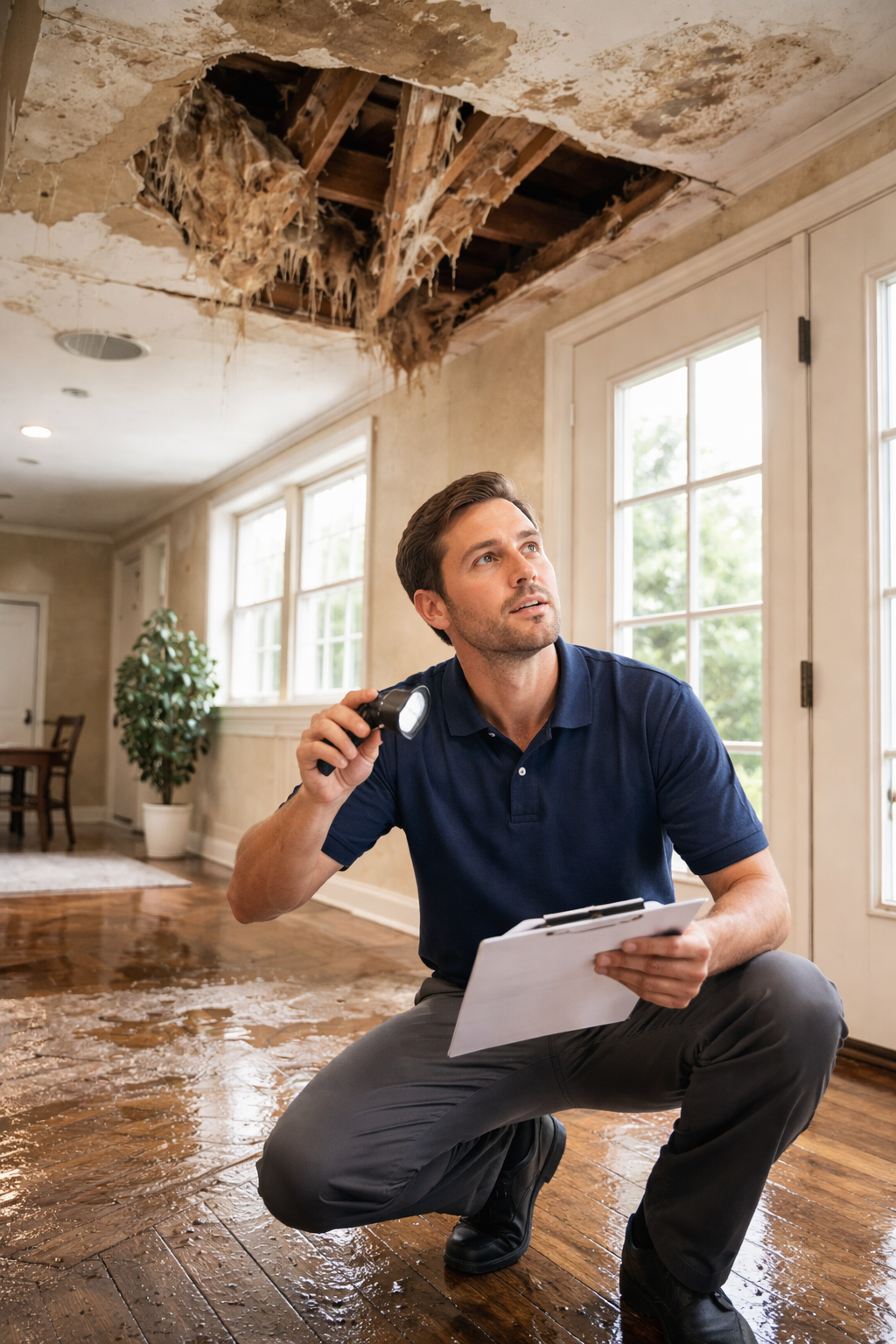
When your property experiences water damage, one of the first steps in the water damage insurance claim process is a professional water damage inspection in New Jersey conducted by an insurance adjuster. Understanding what an insurance adjuster looks for during a water damage inspection can help you prepare properly and avoid delays in claim approval.
At M&N Restoration LLC, we assist homeowners and property managers throughout Passaic, Bergen, Morris, and Somerset Counties with professional water damage restoration and detailed documentation to support insurance claims.
1. How Insurance Adjusters Determine the Source of Water Damage
Insurance adjusters begin by identifying the cause of the loss. During an insurance adjuster water damage evaluation, identifying the exact source of water intrusion is critical to determining coverage. Common causes include:
-
Burst or frozen pipes
-
Roof leaks
-
Appliance failures
-
Basement flooding
-
Storm-related water intrusion
Determining whether the damage was sudden and accidental versus long-term or maintenance-related plays a major role in coverage decisions.
2. How Insurance Adjusters Assess Structural Water Damage
Adjusters carefully evaluate how far the water has spread and which building materials have been affected, including:
-
Ceiling drywall
-
Wall insulation
-
Flooring and subfloor
-
Foundation walls
-
Structural framing
Professional moisture detection tools are often necessary to identify hidden water damage behind walls and beneath flooring — areas not visible to the naked eye.
3. Why Moisture Readings and Documentation Matter in Water Damage Insurance Claims
Proper documentation is one of the most important factors in a successful water damage insurance claim. Insurance adjusters review:
-
Moisture meter readings
-
Thermal imaging findings
-
Photo documentation
-
Equipment usage logs
-
Daily drying reports
-
Detailed scope of work
Working with a professional water damage restoration company ensures that all findings are properly recorded and presented during the inspection.
4. How Mold Growth Impacts a Water Damage Insurance Inspection
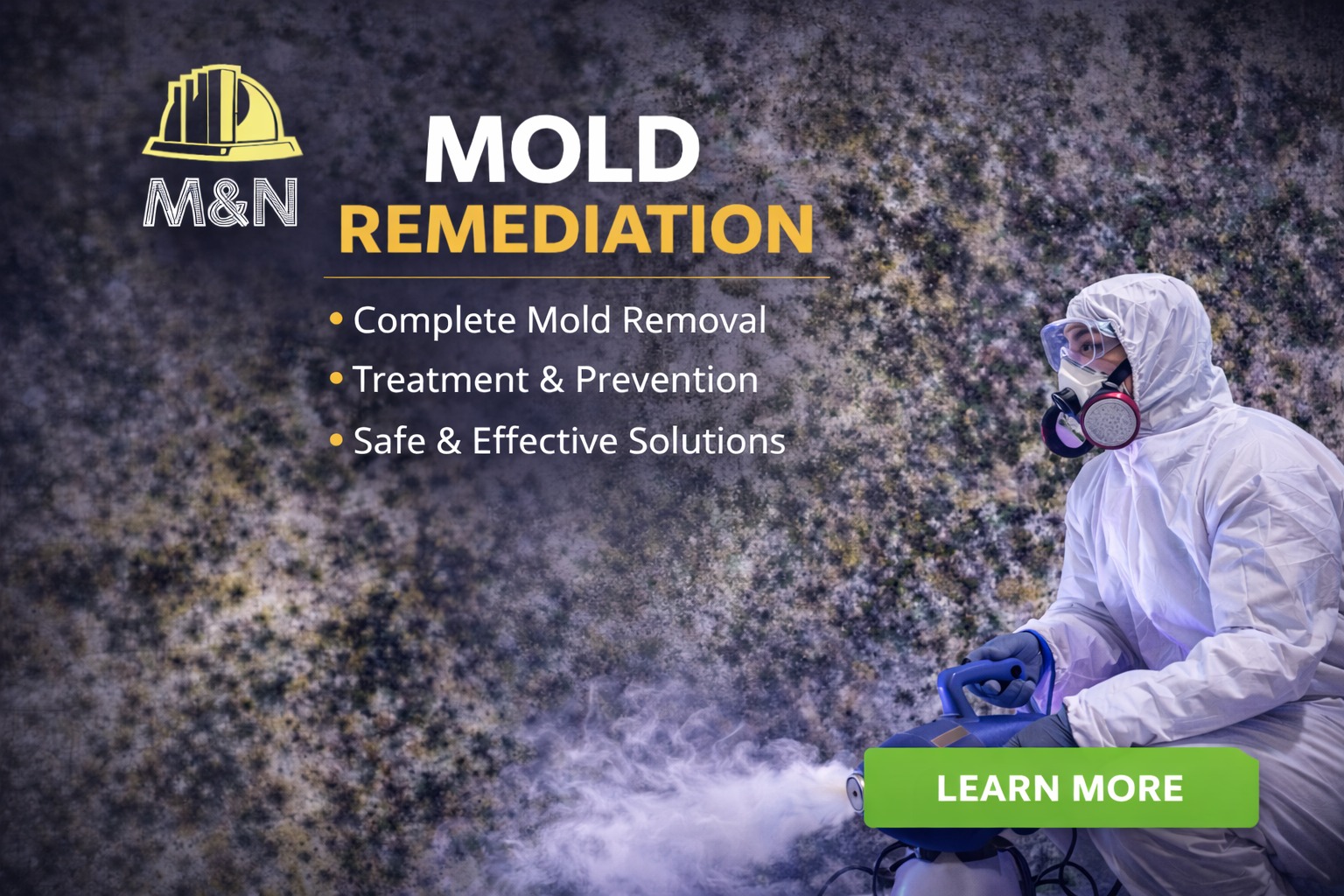
Mold can begin developing within 24–48 hours after water exposure. If water damage is not mitigated quickly, adjusters will assess:
-
Visible mold growth
-
Musty odors
-
Discoloration of drywall or ceilings
-
Contaminated materials requiring removal
Mold can significantly impact the scope of a claim and may trigger separate coverage limitations depending on the policy.
If you’re concerned specifically about mold-related insurance issues, you can read our detailed guide on how insurance companies handle mold claims to better understand coverage considerations and potential limitations.
Concerned about mold coverage? Learn more about insurance coverage for mold damage in NJ and what homeowners should expect during the claims process. Mold growth after water damage can significantly impact both the scope of restoration and the outcome of your water damage insurance claim.
5. Pre-Existing Damage vs. Sudden Water Damage: What Adjusters Look For
Most insurance policies cover sudden and accidental water damage but may exclude long-term neglect or unresolved maintenance issues.
Adjusters look for indicators such as:
-
Ongoing staining
-
Long-term deterioration
-
Evidence of prior repairs
-
Repeated water intrusion
Clear documentation and prompt mitigation help demonstrate that the damage was sudden and properly addressed.
Why Professional Water Damage Restoration Supports Your Insurance Claim
Acting quickly after water damage is critical — not just to protect your property, but also to support your insurance claim. Prompt emergency water damage restoration helps document the loss properly and demonstrates that mitigation efforts were taken immediately.
Professional water extraction, structural drying, and thorough documentation help:
-
Prevent secondary mold growth
-
Reduce structural deterioration
-
Support claim accuracy
-
Streamline the insurance inspection process
M&N Restoration LLC provides emergency water damage restoration, flood cleanup, structural drying, and mold remediation throughout North Jersey, including Passaic, Bergen, Morris, and Somerset Counties.
If your property has experienced water damage, contact M&N Restoration LLC at 973-883-5645 for prompt, professional assistance.
Frequently Asked Questions
1. What do insurance adjusters look for during a water damage inspection?
Insurance adjusters evaluate the source of water intrusion, structural damage, moisture readings, documentation, and signs of mold growth to determine coverage and claim value.
2. How can I prepare for a water damage insurance inspection?
Document the damage with photos, avoid discarding materials before inspection, and work with a professional restoration company to provide moisture readings and drying logs.
3. Does insurance cover hidden water damage?
Most policies cover sudden and accidental water damage, including hidden moisture, but long-term neglect or maintenance issues may not be covered.
4. How quickly should water damage be mitigated?
Emergency water damage restoration should begin immediately to prevent structural damage and mold growth after water damage.
5. Can mold affect my water damage insurance claim?
Yes, mold growth after water damage can impact coverage depending on your policy’s mold limitations and whether mitigation was performed promptly.