Feb 09 2026 07:22h
What “Exposed and Accessible Only” Means in Mold & Asbestos Remediation | NJ
When homeowners hear the phrase “exposed and accessible only” during mold or asbestos remediation, it can sound confusing or even concerning. This language is standard in the restoration industry and is used to ensure safety, regulatory compliance, and clear expectations. Understanding what it means helps homeowners, buyers, sellers, and insurers avoid misunderstandings during remediation projects.
What Does “Exposed and Accessible Only” Mean in Mold and Asbestos Work?
“Exposed and accessible only” refers to materials that are visible and reachable without removing or damaging finished building components, such as drywall, plaster, ceilings, flooring, or cabinetry. In mold and asbestos remediation, contractors are authorized to address only the materials that can be safely accessed within the approved scope of work.
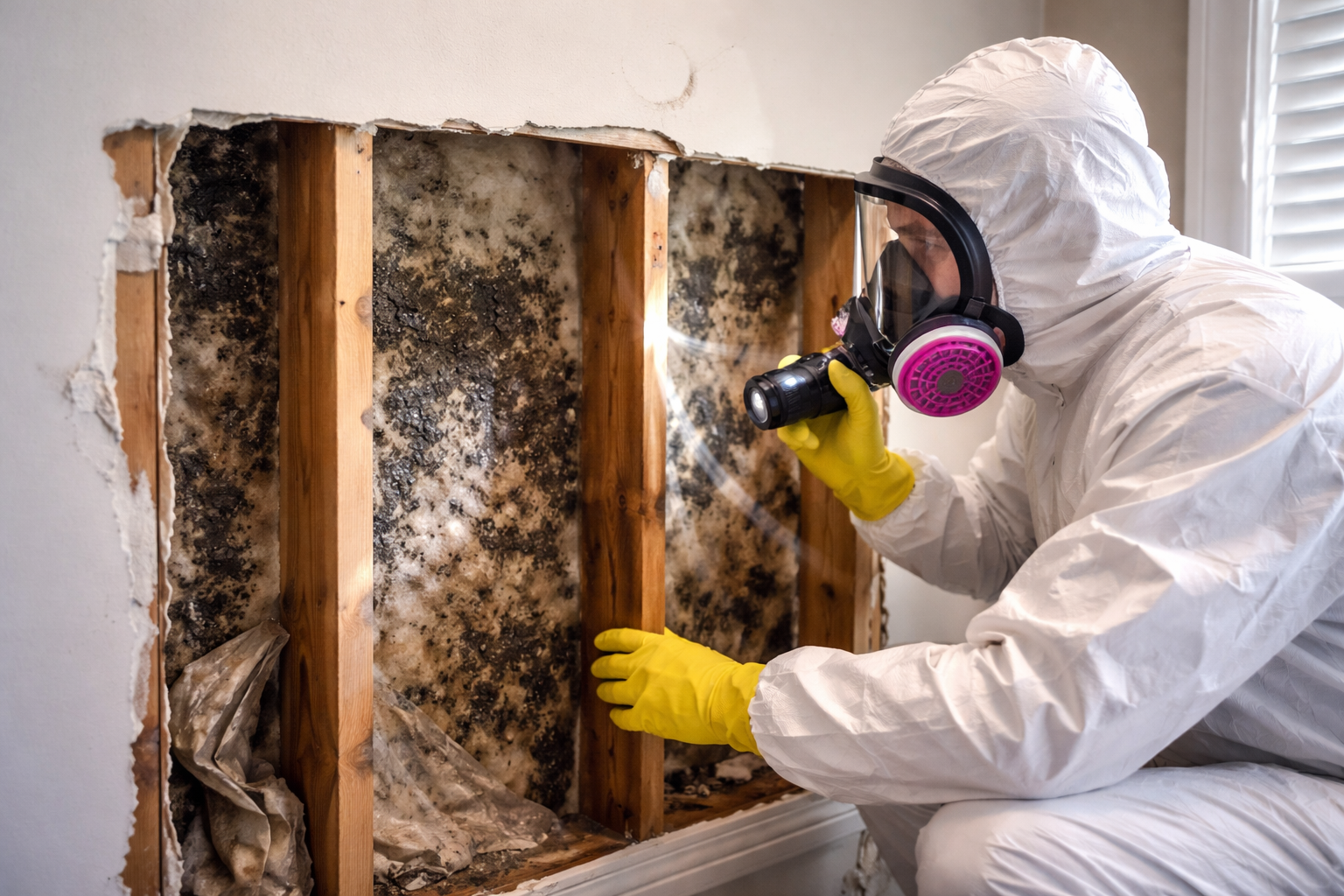
Any materials hidden behind walls, ceilings, or other finished surfaces are considered inaccessible unless additional authorization and planning are approved.
Why “Exposed and Accessible Only” Is Used in Mold and Asbestos Remediation
This wording is used to protect everyone involved and to ensure work is performed responsibly. It helps ensure:
-
Safety: Opening concealed areas without proper containment can release mold spores or asbestos fibers into the air.
-
Regulatory compliance: EPA, OSHA, and New Jersey Department of Health regulations require controlled procedures.
-
Defined scope: Contractors are not permitted to disturb materials outside the approved work area.
-
Accurate pricing: Hidden materials cannot be safely evaluated or priced without inspection.
Exposed vs. Hidden Materials: What Is Included and What Is Not
Exposed and Accessible Materials May Include:
-
Visible mold growth on walls, ceilings, or framing
-
Pipe insulation in open basement ceilings
-
Damaged materials already removed or exposed
Hidden or Inaccessible Materials (Not Included Unless Approved):
-
Mold or asbestos behind drywall or plaster
-
Materials inside wall cavities or pipe chases
-
Insulation above finished ceilings
This distinction is critical in both mold remediation and asbestos abatement projects.
Common Areas Where Mold and Asbestos Are Considered Accessible
In New Jersey homes, accessible materials are most commonly found in:
-
Basements with open joist ceilings
-
Utility rooms and mechanical spaces
-
Areas with prior water damage
-
Older homes with exposed piping or insulation
These areas are often addressed first during remediation projects.
What Happens If Mold or Asbestos Is Found Behind Walls or Ceilings?
If additional mold or asbestos is suspected in concealed areas, remediation does not proceed automatically. The process typically includes:
-
Notifying the property owner of the findings
-
Discussing potential exploratory openings
-
Issuing a revised scope of work and cost proposal
-
Proceeding only after written approval
This step-by-step process ensures safety, transparency, and proper documentation.
Why Proper Documentation Matters After Remediation
Scopes of work, Certificates of Completion, invoices, and laboratory results often include the phrase “exposed and accessible only” to clearly document what work was performed and what was not. This documentation is especially important for:
-
Insurance claims
-
Real estate transactions
-
Property records
-
Liability protection
For related topics, you may also find these helpful:
-
What Happens If Mold Is Found During a Home Sale in New Jersey
-
Why Documentation Matters After Mold Remediation
How “Exposed and Accessible Only” Protects Homeowners and Contractors
This approach protects homeowners by ensuring remediation is performed safely and transparently, while also protecting contractors from unauthorized work or liability. Clear scope language helps avoid disputes and ensures everyone understands the limits of the work performed.
Final Thoughts on Mold and Asbestos Remediation Scope
“Exposed and accessible only” is a responsible and standard practice in mold and asbestos remediation. It ensures work is completed safely, in compliance with regulations, and with clear documentation.
If you have concerns about mold or asbestos in your New Jersey home or property, M&N Restoration LLC is here to help with professional evaluations, remediation, and clear documentation.
Frequently Asked Questions
What does exposed and accessible only mean in mold remediation?
It means only visible and reachable mold is removed without opening walls or ceilings unless approved.
Does exposed and accessible include mold behind walls?
No. Mold behind walls or ceilings requires additional authorization and a revised scope of work.
Why is this language included in asbestos removal projects?
It ensures compliance with safety regulations and prevents uncontrolled disturbance of asbestos-containing materials.
Can additional mold or asbestos be removed later?
Yes. Additional work can be performed after proper evaluation, pricing, and written approval.